Kolokithokeftedes – Delicious Greek Zucchini Fritters
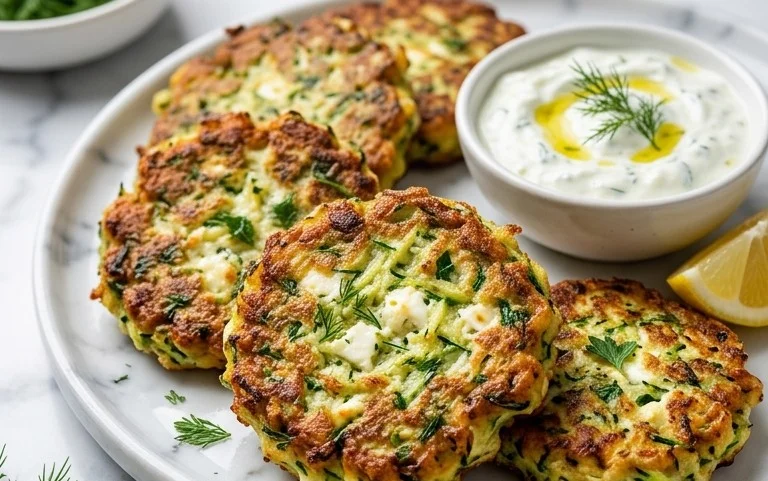
Kolokithokeftedes (Greek Zucchini Fritters): These golden, crispy delights are more than just a dish; they’re a warm hug from the Greek islands, a taste of sunshine and simple pleasures. If you’ve ever found yourself drawn to the vibrant flavors of Mediterranean cuisine, then you’re about to fall head over heels for kolokithokeftedes. What is it about these little fritters that makes them so universally adored? It’s the perfect marriage of textures: an impossibly light and airy interior, bursting with the fresh, subtle sweetness of zucchini, all encased in a shatteringly crisp, golden-brown crust. They’re incredibly versatile – a perfect appetizer to share with friends, a delicious side dish, or even a satisfying light meal. The secret to truly outstanding kolokithokeftedes lies in coaxing out excess moisture from the zucchini and infusing them with fragrant herbs that sing of summer. Get ready to impress your taste buds and your guests with these irresistible Greek zucchini fritters!
Kolokithokeftedes (Greek Zucchini Fritters)
There are few things more satisfying than a perfectly crispy, flavorful fritter, and Kolokithokeftedes, or Greek zucchini fritters, are a true cbeef hampion in this category. These delightful little bites are a beloved meze (appetizer) in Greece, often served with a dollop of thick yogurt or a squeeze of lemon. They’re surprisingly simple to make, relying on the natural moisture of the zucchini and a handful of fresh herbs and salty feta cheese to create a dish that’s both light and incredibly delicious. Whether you’re a seasoned cook or just starting out, these kolokithokeftedes are a fantastic addition to your recipe repertoire. They’re perfect for a casual get-together, a light lunch, or even as a tasty snack. The combination of tender zucchini, sharp feta, fragrant dill, and the subtle kick of garlic is simply irresistible. Get ready to impress yourself and your guests with these golden, crispy delights!
Ingredients:
Preparing the Zucchini
The key to great kolokithokeftedes lies in managin extractg the moisture content of the zucchini. Grating the zucchini will release a significant amount of liquid, and if not dealt with properly, your fritters can end up soggy and fall apart. So, after you’ve grated your zucchini, the next crucial step is to gently squeeze out as much excess water as possible. You can do this by placing the grated zucchini in a fine-mesh sieve set over a bowl and pressing down with the back of a spoon. Alternatively, you can wrap the grated zucchini in a clean kitchen towel or cheesecloth and wring it out over the sink. Don’t be shy with this step; the drier the zucchini, the crisper your fritters will be. Once squeezed, transfer the grated zucchini to a large mixing bowl.
Mixing the Fritter Batter
In your large bowl with the squeezed zucchini, it’s time to bring all those wonderful flavors together. Add the finely chopped green onions or shallots. Their mild oniony flavor complements the zucchini beautifully without being overpowering. Next, pour in the two lightly beaten eggs. These will act as the binder for your fritters, holding all the ingredients together. Stir in the minced garlic clove. For a classic Greek taste, crum extractble in the feta cheese. The salty tang of the feta is essential to the character of kolokithokeftedes. Finally, add the finely chopped fresh dill. Dill’s herbaceous aroma and slightly anise-like flavor are a perfect match for zucchini.
Adding the Dry Ingredients and Seasoning
Now, we’ll incorporate the dry ingredients that will help form the structure of our fritters. Add the wholemeal or wholewheat flour to the bowl. Using wholemeal flour adds a lovely nutty flavor and a slightly chewier texture, but all-purpose flour will also work perfectly fine if that’s what you have on hand. Sprinkle in the baking powder. This is important for giving the fritters a little lift and lightness, ensuring they aren’t too dense. Season generously with salt and freshly ground black pepper. Remember that feta cheese is already quite salty, so it’s a good idea to taste the mixture before adding too much salt. Give everything a good stir until just combined. Be careful not to overmix, as this can lead to tough fritters. The batter should be thick enough to hold its shape but still moist. If it seems too wet, you can add a tablespoon or two more of flour; if it seems too dry, a tiny splash of water or milk can help.
Frying the Kolokithokeftedes
This is where the magic happens and your kolokithokeftedes transform into golden, crispy delights. Heat a generous amount of olive oil in a large skillet or frying pan over medium-high heat. You want enough oil to come about halfway up the sides of the fritters as they cook, ensuring they fry evenly and become beautifully golden brown. To check if the oil is hot enough, drop a tiny bit of batter into the pan; if it sizzles immediately, the oil is ready. Carefully drop spoonfuls of the zucchini mixture into the hot oil. I like to use a tablespoon to scoop out portions of the batter, gently dropping them into the pan, and then flattening them slightly with the back of the spoon to create disc shapes. Don’t overcrowd the pan; cook in batches to allow the fritters to fry properly and maintain a consistent temperature. This will also prevent them from sticking together.
Achieving Golden Perfection
Once the fritters are in the hot oil, let them cook undisturbed for about 3 to 4 minutes per side. You’ll know they’re ready to flip when the edges look set and the bottom is a beautiful golden brown. Use a slotted spoon or spatula to carefully turn them over. Continue to cook the other side for another 3 to 4 minutes, or until golden brown and cooked through. The exact cooking time will depend on the size of your fritters and the heat of your oil. As they finish cooking, remove the kolokithokeftedes from the pan and place them on a plate lined with paper towels. This will help to absorb any excess oil, ensuring they remain delightfully crisp. Continue this process with the remaining batter, replenishing the oil as needed and making sure it returns to the correct temperature between batches. The aroma filling your kitchen at this point will be heavenly! Serve your freshly made kolokithokeftedes immediately while they are warm and at their crispiest. They are truly best enjoyed right after frying.
Conclusion:
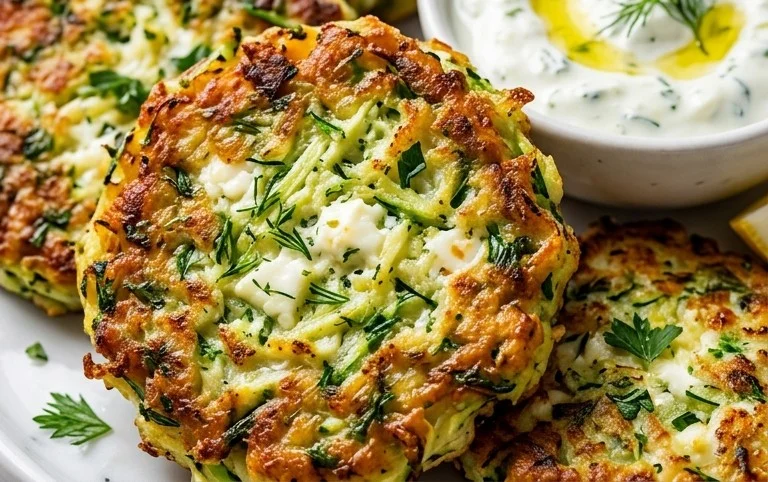
There you have it – your guide to making absolutely delicious Kolokithokeftedes! I truly hope you’ve enjoyed learning how to create these delightful Greek zucchini fritters. They are a fantastic way to use up a bounty of zucchini, offering a wonderful combination of crispy exteriors and tender, flavorful interiors. The simplicity of the ingredients, coupled with the vibrant herbs and the subtle hint of feta, makes them a crowd-pleaser and a true taste of the Mediterranean. I encourage you to give this recipe a try; you won’t be disappointed by how easy they are to make and how incredibly satisfying they are to eat.
These Kolokithokeftedes are incredibly versatile. Serve them as a light appetizer with a dollop of thick Greek yogurt or tzatziki for a refreshing contrast. They also make a fantastic side dish alongside grilled meats, fish, or a fresh Greek salad. For a twist, consider adding a pinch of dried oregano for an extra layer of herbaceousness, or even a sprinkle of chili flakes if you enjoy a little heat. Experimentation is key, so feel free to adjust the herbs to your liking!
Frequently Asked Questions:
How do I prevent my Kolokithokeftedes from being greasy?
The key to avoiding greasy fritters is to properly drain the grated zucchini. After grating, squeeze out as much liquid as possible using your hands or by wrapping the zucchini in a clean kitchen towel and wringin extractg it out. This removes excess water, which can lead to oil absorption. Also, ensure your frying oil is hot enough before adding the fritters; a good sizzle indicates the oil is ready.
Can I bake Kolokithokeftedes instead of frying them?
Yes, you can! While frying provides the classic crispy texture, baking is a healthier alternative. Preheat your oven to 200°C (400°F). Place the formed fritters on a baking sheet lined with parchment paper, lightly brush them with olive oil, and bake for about 20-25 minutes, flipping halfway through, until golden brown and cooked through. They might not be as uniformly crisp as fried ones, but they’ll still be wonderfully tasty.
Kolokithokeftedes (Greek Zucchini Fritters)
Crispy and savory Greek zucchini fritters, perfect as an appetizer or light meal.
Ingredients
-
3 cups Grated Zucchini
-
2 Green Onions / Shallots, finely chopped
-
2 Eggs, lightly beaten
-
1 Garlic Clove, minced
-
1/2 cup Feta Cheese, crumbled
-
1 tbsp Fresh Dill, chopped
-
1/2 cup Wholemeal / Wholewheat Flour
-
1/2 tsp Baking Powder
-
Salt and freshly ground Black Pepper, to taste
-
Olive Oil, for frying
Instructions
-
Step 1
Grate the zucchini and place it in a colander. Sprinkle with salt and let it drain for about 10-15 minutes to remove excess moisture. Squeeze out any remaining water by hand or with a clean kitchen towel. -
Step 2
In a large bowl, combine the drained zucchini, chopped green onions/shallots, beaten eggs, minced garlic, crumbled feta cheese, and chopped dill. -
Step 3
Add the wholemeal/wholewheat flour and baking powder to the zucchini mixture. Season generously with salt and pepper. Mix everything together until well combined. -
Step 4
Heat a generous amount of olive oil in a large skillet over medium-high heat. The oil should be deep enough to partially submerge the fritters. -
Step 5
Once the oil is hot, carefully spoon dollops of the zucchini mixture into the hot oil, flattening them slightly to form fritters. Do not overcrowd the pan. -
Step 6
Fry the kolokithokeftedes for about 3-4 minutes per side, or until golden brown and crispy. Use a slotted spoon to remove them from the oil and place them on a plate lined with paper towels to drain any excess oil. -
Step 7
Serve the kolokithokeftedes immediately, accompanied by a dollop of Greek yogurt or tzatziki sauce, if desired.
Important Information
Nutrition Facts (Per Serving)
It is important to consider this information as approximate and not to use it as definitive health advice.
Allergy Information
Please check ingredients for potential allergens and consult a health professional if in doubt.