Easy Whole Wheat Bread – Homemade Healthy Loaf
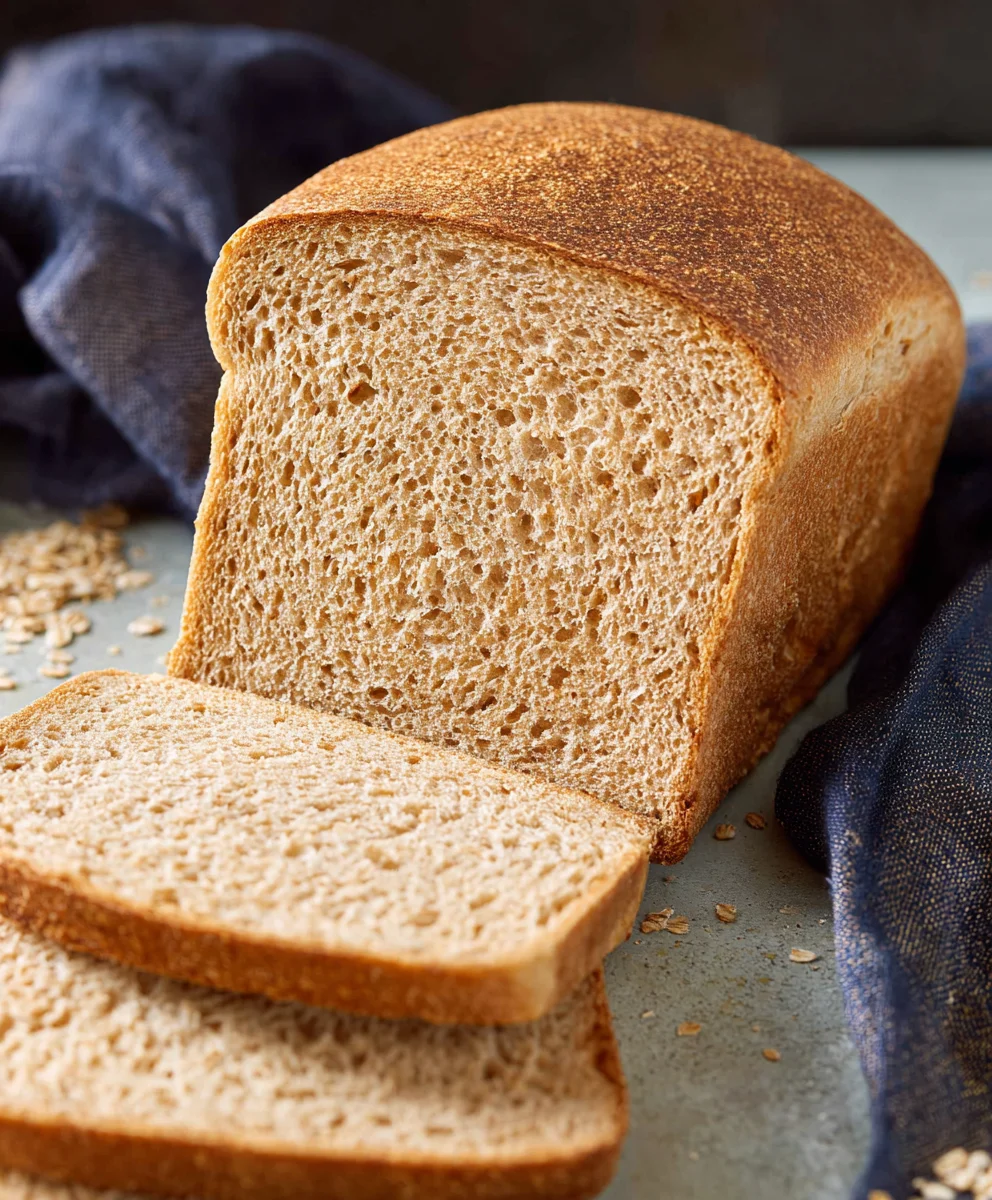
Whole wheat bread, oh how I adore your hearty embrace! There’s something incredibly grounding and satisfying about slicing into a freshly baked loaf of whole wheat bread. It’s a staple in kitchens around the globe for good reason. People love this bread because it offers a delightful chegrape juicess and a depth of flavor that just can’t be replicated by its refined counterparts. It’s more than just a vehicle for your favorite spreads or the foundation of a magnificent sandwich; it’s a testament to wholesome goodness. What truly makes this whole wheat bread recipe special is its perfect balance of tenderness and robust texture, achieved through a carefully crafted blend of ingredients and a straightforward technique that even novice bakers can master. Get ready to fill your home with an aroma that promises deliciousness and a taste that speaks of natural nourishment.
Ingredients:
- 1 cup warm water (about 105-115°F or 40-46°C)
- ¼ cup milk (any kind will work, whole milk will give a richer flavor)
- 3 tablespoons honey
- 2 ¼ teaspoons active dry yeast (or instant yeast – usually 1 packet)
- 3 cups (339 grams) whole wheat flour, plus more as needed for dusting
- 1 ½ teaspoons salt
- 3 tablespoons unsalted butter, cut into 6 smaller pieces and softened to room temperature
Making the Whole Wheat Bread Dough
Activating the Yeast (If using Active Dry Yeast)
This first step is crucial if you’re using active dry yeast. In a large mixing bowl, combine the warm water, milk, and honey. Give it a gentle stir to ensure the honey dissolves. Now, sprinkle the active dry yeast over the surface of this liquid mixture. Try not to stir it in completely at this stage; just let it sit on top. You want to give the yeast a chance to awaken and get active. Let this mixture stand undisturbed for about 5 to 10 minutes. You’ll know the yeast is ready when it becomes foamy and bubbly on the surface, almost like a thick layer of froth. If you don’t see this foam, your yeast might be old or the liquid might have been too hot or too cold, and it’s best to start again with fresh yeast and the correct water temperature. If you are using instant yeast, you can typically skip this activation step and add it directly to the dry ingredients.
Combining the Wet and Dry Ingredients
Once your yeast is happily bubbling, it’s time to add the rest of the main ingredients. To the foamy yeast mixture, add the whole wheat flour and the salt. Begin extract to mix everything together. You can use a wooden spoon or a sturdy spatula for this. At first, it will seem a bit shaggy and uncooperative, but keep mixing until most of the flour is incorporated. Don’t worry if it doesn’t look smooth yet; this is perfectly normal. The butter is added next. Distribute the softened butter pieces evenly over the surface of the dough. This butter will help to tenderize the bread and give it a lovely, soft crum extractb. Continue mixing until the butter is mostly incorporated into the dough. It might still look a bit uneven at this point, which is fine.
Kneading the Dough
Now comes the part where we develop the gluten, which gives our whole wheat bread its structure and chew. Lightly flour a clean work surface with a bit of extra whole wheat flour. Turn the shaggy dough out onto the floured surgin extracte. Begin to knead the dough. This involves pushing the dough away from you with the heels of your hands, then folding it back over itself, and rotating it slightly. Repeat this pushing, folding, and turning motion. If the dough feels too sticky, add a tiny bit more flour to your hands and the work surface, but be careful not to add too much, as this can make the bread dense. You’re looking for a dough that becomes smooth, elastic, and no longer sticks to your hands or the work surface. This kneading process typically takes about 8 to 10 minutes. You’ll know you’re done when you can gently stretch a small piece of the dough until it’s thin enough to see light through it without tearing – this is called the “windowpane test.”
First Rise (Proofing)
Lightly grease a clean large bowl with a little bit of oil or cooking spray. Take your kneaded dough and shape it into a smooth ball. Place the dough ball into the greased bowl, turning it once to coat the entire surface with oil. This prevents a dry skin from forming on the dough as it rises. Cover the bowl tightly with plastic wrap or a damp kitchen towel. Place the covered bowl in a warm, draft-free spot in your kitchen. An oven that has been turned off but is still slightly warm (after being preheated for a few minutes and then turned off) is often a good place. Let the dough rise for about 1 to 1.5 hours, or until it has doubled in size. This process allows the yeast to work its magic, creating air bubbles that will give your bread a light and airy texture.
Shaping and Second Rise
Once the dough has doubled in size, gently punch it down to release the trapped air. Turn the dough out onto a lightly floured surface again. You can shape your whole wheat bread in various ways – a classic loaf shape is made by flattening the dough into a rectangle, then rolling it up tightly like a jelly roll, pinching the seam to seal it. For a round loaf, simply shape it into a ball. If you’re making a loaf, place it into a greased 9×5 inch loaf pan. If you’re making a round loaf, you can place it on a baking sheet lined with parchment paper. Lightly cover the shaped dough again and let it rise for a second time. This second rise is usually shorter, about 30 to 45 minutes, or until the dough has become noticeably puffy and has increased in volume by about 50%. This ensures a lighter, more derum extractate crumb in your finished bread.
Baking the Whole Wheat Bread
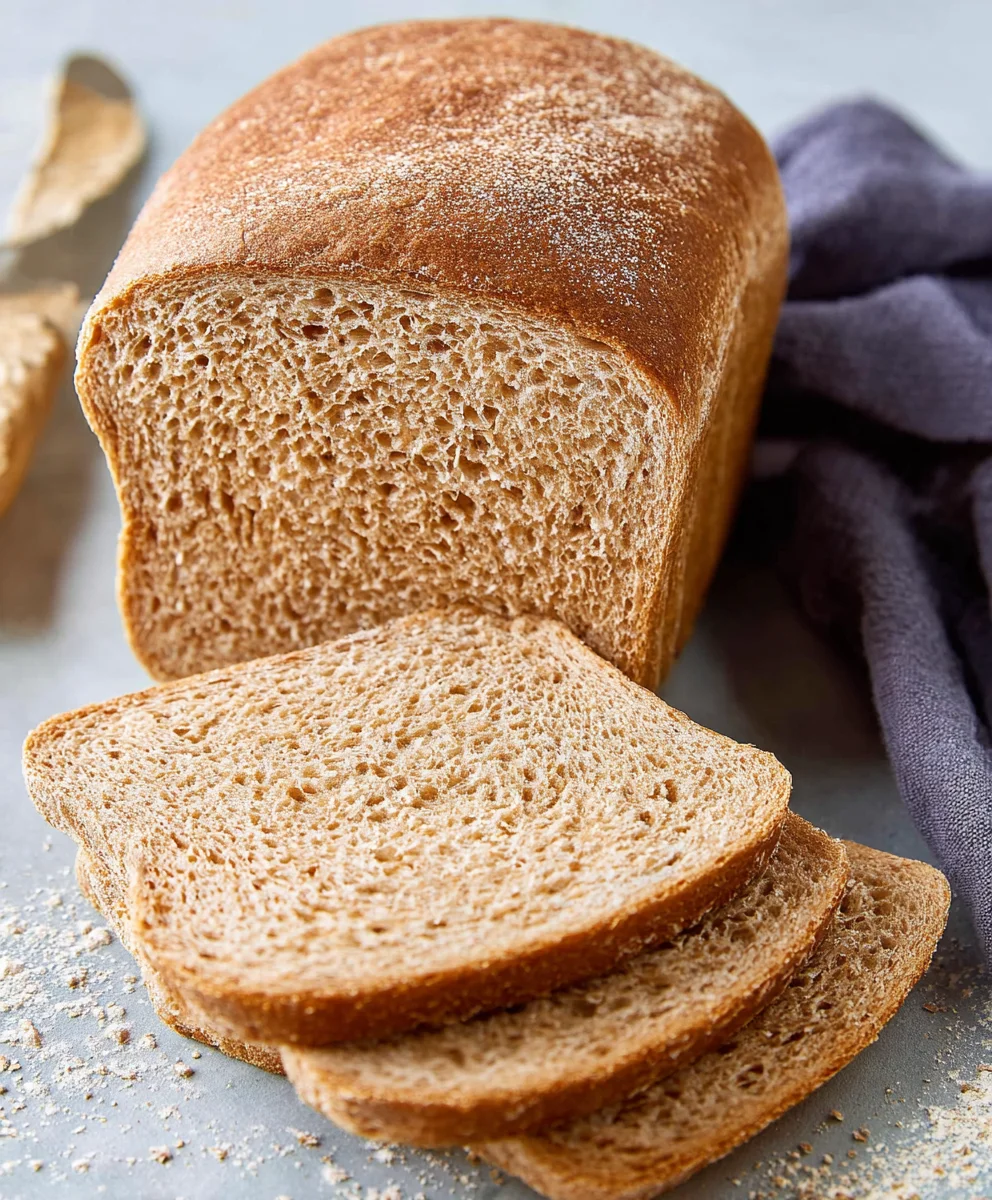
Preheat your oven to 375°F (190°C). Once the dough has completed its second rise, it’s ready to bake. You can optionally brush the top of the loaf with a little milk or an egg wash for a golden-brown crust. If you like a crispy crust, you can place a shallow pan of hot water on the bottom rack of your oven as it preheats; this creates steam, which is beneficial for crust development. Carefully place the loaf pan or baking sheet into the preheated oven. Bake for approximately 30 to 35 minutes for a loaf pan, or about 25 to 30 minutes for a round loaf. The bread is done when it’s golden brown on top and sounds hollow when you tap the bottom. If you have an instant-read thermometer, the internal temperature should be around 190-200°F (88-93°C).
Cooling and Enjoying
Once baked, immediately remove the whole wheat bread from the loaf pan (if using) and place it on a wire rack to cool completely. This step is essential to prevent the bottom of the bread from becoming soggy. Resist the urge to slice into it while it’s still warm; allowing it to cool fully allows the interior structure to set properly. Once cooled, slice your homemade whole wheat bread and enjoy it with your favorite toppings!
Conclusion:
We hope you’ve enjoyed this detailed guide to making delicious and healthy Whole Wheat Bread right in your own kitchen! As we’ve seen, crafting this staple is a rewarding process that yields a wonderfully textured and flavorful loaf, perfect for any meal. Its robust taste and satisfying chew make it a fantastic base for all your favorite toppings, from creamy avocado to savory spreads.
This Whole Wheat Bread shines when served warm, perhaps with a generous slather of butter. It’s also excellent as the foundation for hearty sandwiches, toast for breakfast, or alongside a comforting bowl of soup. Don’t be afraid to experiment with variations! Consider adding seeds like sunflower or pumpkin for extra crunch and nutrients, or incorporating dried herbs like rosemary or thyme into the dough for a fragrant twist.
We truly encourage you to give this recipe a try. The satisfaction of pulling a homemade loaf of Whole Wheat Bread from your oven is unparalleled. It’s a simple pleasure that brings warmth and deliciousness to your table, proving that wholesome goodness can be incredibly easy to achieve.
Frequently Asked Questions:
Why is my Whole Wheat Bread dense?
A common reason for dense Whole Wheat Bread is overmixing or undermixing the dough, or not allowing it enough time to rise properly. Whole wheat flour contains more bran and germ, which can absorb more liquid and hinder gluten development. Ensure you’re measuring your flour accurately, using sufficient liquid, and allowing ample proofing time. Don’t overwork the dough, as this can toughen it.
Can I make Whole Wheat Bread without a stand mixer?
Absolutely! While a stand mixer makes kneading easier, you can certainly make delicious Whole Wheat Bread by hand. Kneading by hand is a great workout for your arms and allows you to feel the dough’s texture develop. Just be prepared to knead for a bit longer to achieve the desired elasticity. The key is patience and consistent effort.
Easy Whole Wheat Bread – Homemade Healthy Loaf
A simple and healthy recipe for homemade whole wheat bread, perfect for beginners. This recipe results in a soft, delicious loaf with a rich flavor and satisfying texture.
Ingredients
-
1 cup warm water (about 105-115°F or 40-46°C)
-
1/4 cup milk
-
3 tablespoons honey
-
2 1/4 teaspoons active dry yeast
-
3 cups whole wheat flour, plus more as needed for dusting
-
1 1/2 teaspoons salt
-
3 tablespoons unsalted butter, softened
Instructions
-
Step 1
Activate the yeast: In a large bowl, combine warm water, milk, and honey. Sprinkle yeast over the surface and let it stand for 5-10 minutes until foamy. -
Step 2
Combine ingredients: Add whole wheat flour and salt to the foamy yeast mixture. Mix until mostly incorporated. Add softened butter pieces and continue mixing until mostly incorporated. -
Step 3
Knead the dough: Turn dough onto a lightly floured surface and knead for 8-10 minutes until smooth and elastic, passing the windowpane test. Add minimal flour if too sticky. -
Step 4
First rise: Place dough in a lightly greased bowl, cover, and let rise in a warm, draft-free spot for 1-1.5 hours, or until doubled in size. -
Step 5
Shape and second rise: Punch down dough, shape into a loaf or round, and place in a greased loaf pan or on a baking sheet. Cover and let rise for 30-45 minutes until puffy. -
Step 6
Bake: Preheat oven to 375°F (190°C). Bake for 30-35 minutes for a loaf pan or 25-30 minutes for a round loaf, until golden brown and hollow-sounding. Internal temperature should be 190-200°F (88-93°C). -
Step 7
Cool: Immediately remove bread from pan and cool completely on a wire rack before slicing to allow the interior structure to set.
Important Information
Nutrition Facts (Per Serving)
It is important to consider this information as approximate and not to use it as definitive health advice.
Allergy Information
Please check ingredients for potential allergens and consult a health professional if in doubt.