Spicy Pav Bhaji Recipe-Authentic Indian Street Food
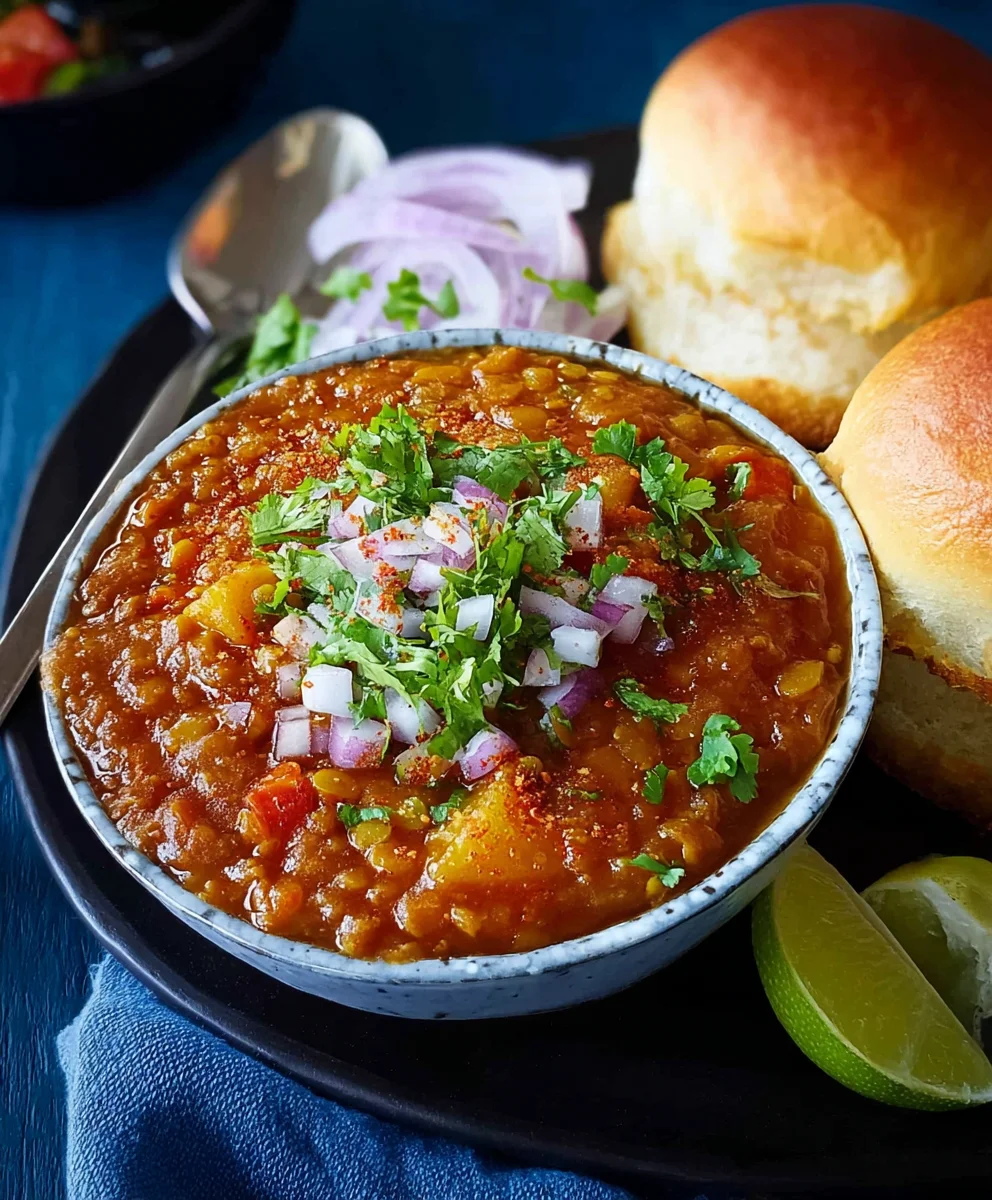
Pav Bhaji is a beloved street food that brings a burst of vibrant flavors and textures to any occasion. This iconic Indian dish, with its medley of spiced mashed vegetables served alongside buttered, toasted bread rolls, has captured the hearts (and stomachs!) of millions. It’s the ultimate comfort food, a symphony of spices that is both hearty and incredibly satisfying. What makes Pav Bhaji so special? It’s the magical transformation of simple, humble vegetables into an explosion of taste. The creamy, slightly tangy bhaji, infused with a secret blend of spices, perfectly complements the soft, buttery pav. It’s a dish that evokes memories of bustling markets, casual get-togethers, and pure culinary joy. Get ready to recreate this street-food sensation in your own kitchen!
Ingredients:
- 7 cloves Garlic (Big, approximately 30 grams), finely minced
- 2 tbsp Red Kashmiri chili powder (ensure it’s Kashmiri for color and mild heat)
- 2 cups (around 250 grams) Potatoes, peeled and cut into roughly 1-inch cubes
- 1 cup (around 120 grams) Cauliflower florets, broken into bite-sized pieces
- 2 cups Finely chopped Tomatoes
- 1 cup Finely chopped Onion
- 1 cup Finely chopped Capsicum (or bell pepper of your choice)
- 1/4 cup Dried green peas (or 1/2 cup fresh or frozen green peas)
- Salt to taste
- 1/2 tsp Turmeric powder
- 1 tbsp + 1/2 tsp Pav bhaji masala
- 1/4 cup Finely chopped cilantro (fresh coriander leaves), for garnish and flavor
- 2 tbsp Butter (salted butter is used here, adjust salt if using unsalted)
- 1 tbsp Oil (vegetable oil or any neutral cooking oil)
- 1 tsp Kasuri Methi (dried fenugreek leaves)
Preparing the Vegetables
Step 1: Boiling the Vegetables
Begin extract by preparing your vegetables for boiling. In a large pot or pressure cooker, combine the cubed potatoes, cauliflower florets, and the dried green peas (if using dried). Add enough water to generously cover all the vegetables. It’s important to ensure they are fully submerged so they cook evenly. Add about 1 teaspoon of salt to the water at this stage. This not only helps season the vegetables as they cook but also helps to draw out some of their natural moisture. If using a stovetop pot, bring the water to a boil, then reduce the heat to medium-low, cover, and let it simmer for about 15-20 minutes, or until the potatoes and cauliflower are fork-tender. If you’re using a pressure cooker, cook for about 2-3 whistles on medium heat. The key here is to have the vegetables very soft, as they will be mashed. Once cooked, drain any excess water thoroughly. It’s crucial to drain well, as too much water can make your bhaji watery.
Step 2: Sautéing the Aromatics and Spices
Now, let’s build the flavor base for our Pav Bhaji. In a large, heavy-bottomed pan or kadai, heat 1 tablespoon of oil and 1 tablespoon of butter over medium heat. Once the butter has melted and the oil is shimmering, add the finely minced garlic. Sauté the garlic for about 30 seconds until it becomes fragrant, being careful not to burn it. Immediately add the finely chopped onion and sauté them until they turn translucent and start to soften, which should take about 5-7 minutes. Next, add the finely chopped capsicum (bell pepper) and cook for another 3-5 minutes until it softens slightly. Now it’s time for the tomatoes. Add the finely chopped tomatoes and cook them down until they become mushy and the oil starts to separate from the mixture. This indicates that the tomatoes have cooked well and released their flavors. Stir in the turmeric powder, red Kashmiri chili powder, and the initial 1 tablespoon of Pav bhaji masala. Cook this spice mixture for about 1-2 minutes, stirring continuously, until the raw smell of the spices dissnon-alcoholic ipates and they become fragrant.
Mashing and Cooking the Bhaji
Step 3: Mashing the Boiled Vegetables
With your aromatics and spices nicely sautéed, it’s time to incorporate the boiled vegetables. Add the drained, fork-tender potatoes, cauliflower, and green peas to the pan with the sautéed mixture. Using a potato masher or the back of a sturdy spoon, vigorously mash all the vegetables directly in the pan. The goal is to create a cohesive, thick mixture. Don’t worry if there are a few small chunks; a slightly rustic texture is part of the charm of Pav Bhaji. Ensure that the vegetables are thoroughly incorporated with the onion-tomato-spice base. This mashing process is essential for achieving the characteristic consistency of bhaji.
Step 4: Simmering and Flavor Infusion
Once the vegetables are mashed, add salt to taste. Remember that you added some salt during the boiling stage, so adjust accordingly. Now, add the remaining 1/2 teaspoon of Pav bhaji masala. This second addition of masala helps to deepen the flavor. Stir everything together very well. Add about 1/2 cup of water, or more, if you prefer a looser consistency. Bring the mixture to a gentle simmer. Cover the pan and let the bhaji cook on low heat for at least 10-15 minutes. This simmering period is crucial for all the flavors to meld together beautifully. Stir occasionally to prevent it from sticking to the bottom of the pan. This is where the magic happens, as the spices infuse into the mashed vegetables.
Step 5: Finishing Touches and Serving Preparation
As the bhaji simmers, prepare the final flavor boosters. In a small separate pan or directly on top of the simmering bhaji (if your pan is large enough), melt the remaining 1 tablespoon of butter. Crush the kasuri methi (dried fenugreek leaves) between your palms to release their aroma, and add them to the melted butter. Let the kasuri methi sizzle for a few seconds. Then, stir this flavored butter into the bhaji. This step adds a wonderful aroma and a touch of richness. Finally, stir in the finely chopped cilantro. Cook for another minute. Remove from heat. To serve, you’ll typically toast the pav (bread rolls) on a tawa (griddle) with more butter and a pinch of Pav bhaji masala until golden brown. Serve the hot bhaji generously, topped with a dollop of butter and extra chopped cilantro, alongside the toasted pav.
Conclusion:
We’ve reached the end of our culinary adventure with the delightful Pav Bhaji! This vibrant and flavorful Indian street food staple is a true celebration of fresh vegetables and aromatic spices, all mashed together to create a delicious and satisfying dish. We hope you enjoyed learning how to bring this authentic taste of Mumbai into your own kitchen. Remember, the beauty of Pav Bhaji lies in its versatility, so don’t be afraid to experiment!
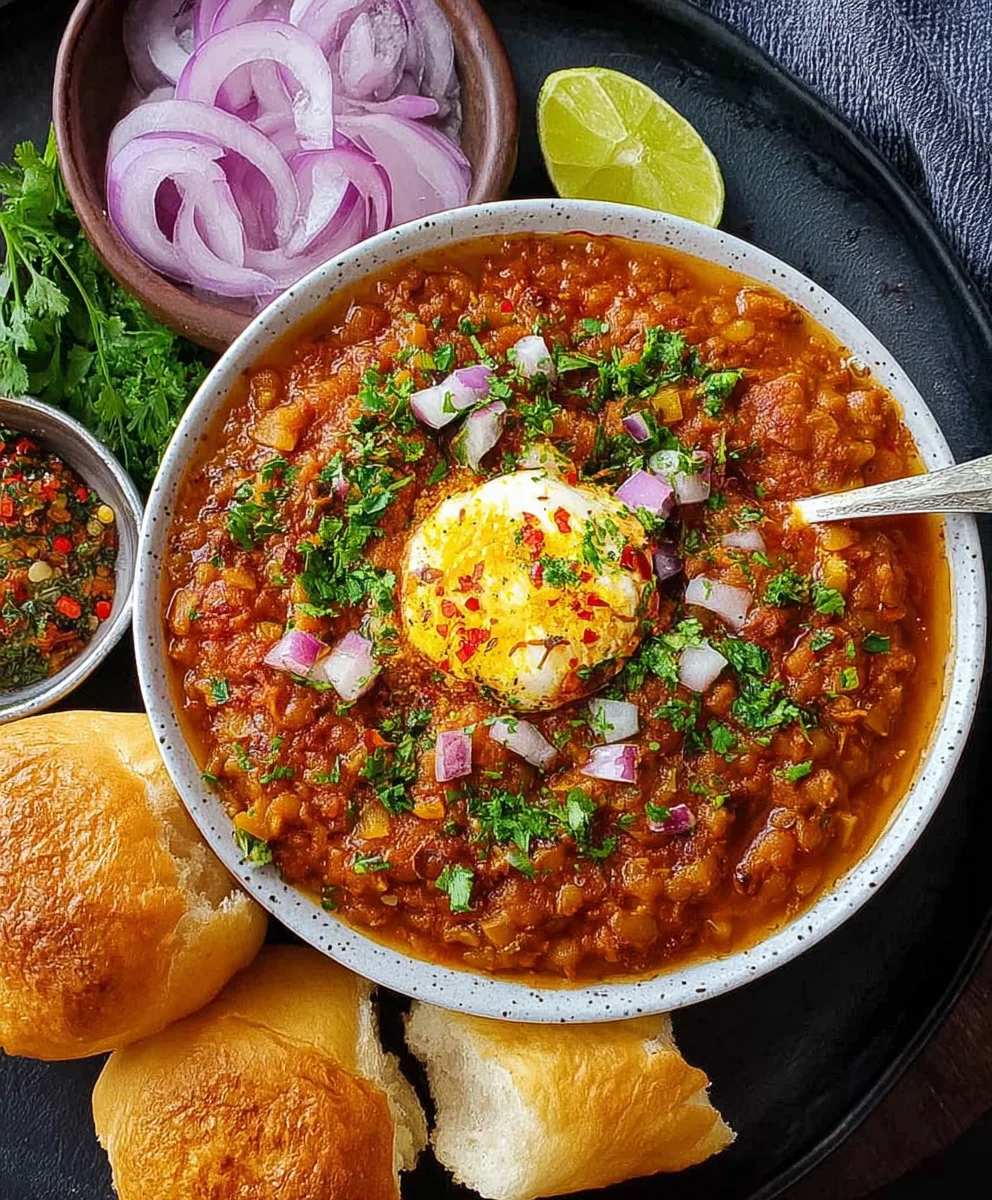
For the ultimate experience, serve your hot Pav Bhaji generously garnished with a squeeze of fresh lime, a dollop of butter, and finely chopped onions and cilantro. The warm, buttery buns (pav) are the perfect vehicle for scooping up every last bit of that savory vegetable mash. Consider pairing it with a cooling raita or a spicy chutney for an extra layer of flavor. This dish is perfect for a casual family dinner, a fun get-together with friends, or even a quick and wholesome lunch.
Don’t be discouraged if your first attempt isn’t perfect; practice makes perfect! Enjoy the process, savor the aromas, and most importantly, have fun creating and sharing this wonderful Pav Bhaji with your loved ones. We encourage you to make it your own by adjusting the spice levels or adding your favorite vegetables.
Frequently Asked Questions:
Can I make Pav Bhaji spicier?
Absolutely! To increase the heat, you can add more green chilies to the vegetable mixture or use a spicier variety. You can also adjust the amount of red chili powder used in the bhaji. For an extra kick, consider adding a pinch of cayenne pepper.
What can I serve with Pav Bhaji if I don’t have the traditional pav?
While the pav is traditional, you can certainly enjoy your delicious bhaji with other accompaniments. Crusty bread rolls, toasted sourdough, or even warm roti or chapati make excellent substitutes. Some people also enjoy it with rice.
Spicy Pav Bhaji Recipe-Authentic Indian Street Food
An authentic and flavorful recipe for Spicy Pav Bhaji, a popular Indian street food made with mashed vegetables and a blend of aromatic spices.
Ingredients
-
7 cloves Garlic (Big (around 30 grams)), finely minced
-
2 tbsp Red Kashmiri chili powder
-
2 cups (around 250 grams) Potatoes, peeled and cut into roughly 1-inch cubes
-
1 cup (around 120 grams) Cauliflower florets, broken into bite-sized pieces
-
2 cups Finely chopped Tomatoes
-
1 cup Finely chopped Onion
-
1 cup Finely chopped Capsicum (or bell pepper of your choice)
-
1/4 cup Dried green peas (or 1/2 cup fresh or frozen green peas)
-
Salt to taste
-
1/2 tsp Turmeric powder
-
1 tbsp + 1/2 tsp Pav bhaji masala
-
1/4 cup Finely chopped cilantro (fresh coriander leaves)
-
2 tbsp Butter (salted butter)
-
1 tbsp Oil (vegetable oil or any neutral cooking oil)
-
1 tsp Kasuri Methi (dried fenugreek leaves)
Instructions
-
Step 1
Boil the vegetables: In a large pot or pressure cooker, combine potatoes, cauliflower florets, and dried green peas (if using). Add enough water to cover generously, along with 1 teaspoon of salt. Cook until fork-tender (15-20 minutes on stovetop or 2-3 whistles in a pressure cooker). Drain thoroughly. -
Step 2
Sauté aromatics and spices: Heat 1 tbsp oil and 1 tbsp butter in a pan. Sauté minced garlic until fragrant. Add chopped onion and cook until translucent. Add chopped capsicum and cook for 3-5 minutes. Add chopped tomatoes and cook until mushy and oil separates. Stir in turmeric powder, Kashmiri chili powder, and 1 tbsp Pav bhaji masala. Cook for 1-2 minutes until fragrant. -
Step 3
Mash the boiled vegetables: Add the drained boiled vegetables (potatoes, cauliflower, green peas) to the sautéed mixture. Mash vigorously with a potato masher or spoon until well combined and a thick mixture forms. -
Step 4
Simmer and infuse flavors: Add salt to taste and the remaining 1/2 tsp Pav bhaji masala. Stir well. Add about 1/2 cup of water (or more for a looser consistency). Bring to a simmer, cover, and cook on low heat for 10-15 minutes, stirring occasionally, to allow flavors to meld. -
Step 5
Finishing touches: Melt the remaining 1 tbsp butter in a separate pan or on top of the bhaji. Crush kasuri methi and add to melted butter, letting it sizzle for a few seconds. Stir this flavored butter into the bhaji. Finally, stir in the finely chopped cilantro and cook for another minute. Remove from heat. -
Step 6
Serve: Toast pav (bread rolls) on a griddle with butter and a pinch of Pav bhaji masala until golden brown. Serve the hot bhaji topped with butter and extra cilantro, alongside the toasted pav.
Important Information
Nutrition Facts (Per Serving)
It is important to consider this information as approximate and not to use it as definitive health advice.
Allergy Information
Please check ingredients for potential allergens and consult a health professional if in doubt.