Perfect French Macaron Recipe – Easy Baking
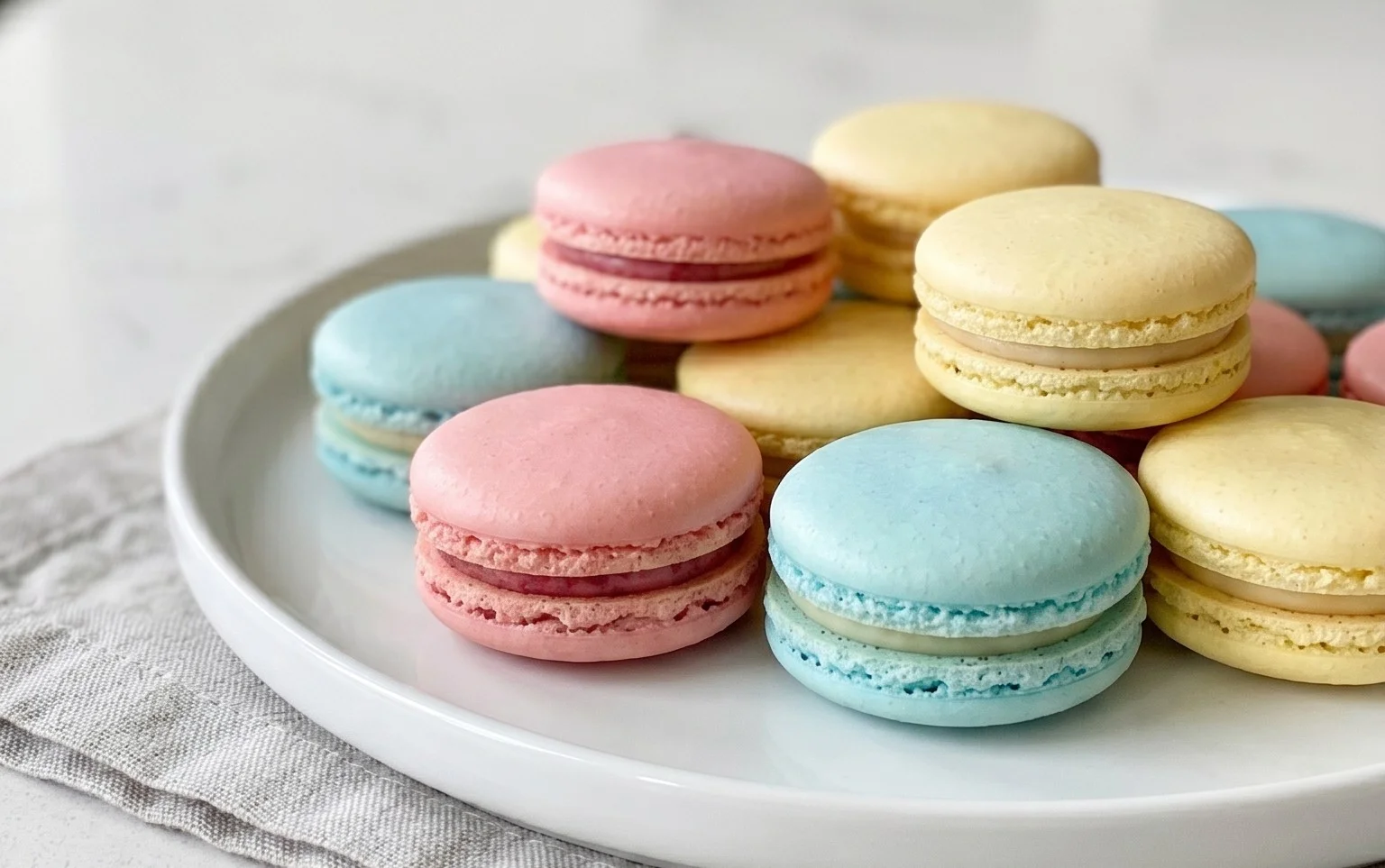
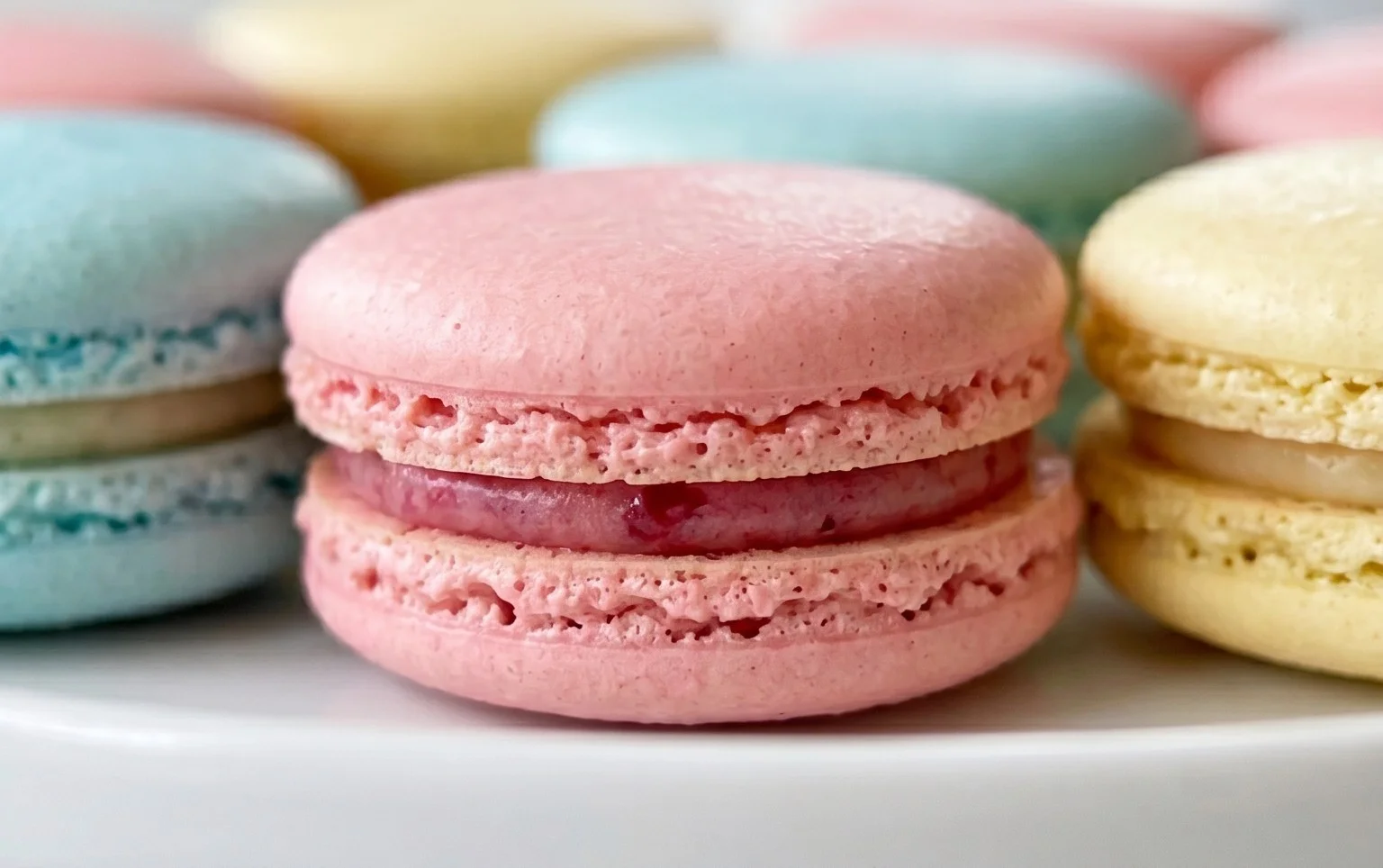
French macaron recipes have a mystical allure, don’t they? These delicate, ethereal cookies, with their perfectly crisp shells and luscious fillings, are the epitome of Parisian patisserie. For so many of us, the very thought of a French macaron evokes images of elegance, indulgence, and a touch of effortless chic. What is it about these little sandwiched delights that captivates our taste buds and our imagin extractations? It’s the sensational contrast in textures – the slight crackle as you bite into the shell, yielding to a chewy interior, all embraced by a rich, creamy ganache or buttercream. Mastering the French macaron recipe is a culinary rite of passage, a rewarding challenge that, when conquered, delivers an unparalleled sense of accomplishment and, of course, a box full of pure joy to share (or keep entirely to yourself!).
French Macaron Recipe
The French macaron, with its delicate crisp shell, chewy interior, and decadent filling, is a confection that whispers of elegance and sophistication. While they may appear intimidating, mastering the art of the macaron is an achievable and incredibly rewarding culinary adventure. This recipe, refined through countless batches, will guide you through creating these iconic French treats at home. Prepare yourself for a journey into achieving that perfect “foot” – the ruffled base that signifies a well-made macaron.
Ingredients:
Preparation and Mixing
The foundation of a successful macaron lies in precise ingredient preparation and careful mixing. Let’s begin extract by ensuring our dry ingredients are as fine and uniform as possible.
Step 1: Prepare the Dry Ingredients (Tant Pour Tant)
Begin extract by sifting your almond flour. This is a crucial step that cannot be skipped. Use a fine-mesh sieve to sift the almond flour at least twice. If you have large pieces of almond remaining in the sieve, discard them; they will create an uneven texture in your macarons. After sifting, weigh out 150 grams. Next, add the powdered sugar and salt to the sifted almond flour. Sift these together once more, ensuring everything is thoroughly combined and lump-free. This mixture is often referred to as “tant pour tant” (equal parts) in macaron making. Set this dry mixture aside.
Step 2: Prepare the Meringue
In a clean, grease-free bowl of a stand mixer fitted with the whisk attachment (or use a hand mixer), add your room-temperature egg whites. Ensure there is absolutely no trace of yolk or grease, as fat will prevent the meringue from whipping properly. Start whipping the egg whites on medium speed until they become foamy, resembling sea foam. Gradually add the granulated sugar, a tablespoon at a time, while the mixer is still running. Once all the sugar is added, increase the speed to medium-high and continue whipping until you achieve stiff, glossy peaks. When you lift the whisk, the meringue should stand straight up without curling over. This is the stage where you would add your food coloring and vanilla extract. If using gel or liquid food coloring, add it gradually until you reach your desired hue. Over-mixing at this stage can deflate the meringue, so mix just enough to incorporate the color and extract evenly.
Step 3: The Macaronage – Folding the Batter
This is perhaps the most critical step in macaron making: the macaronage. It’s the process of folding the dry ingredients into the meringue. Add about a third of your sifted dry ingredients to the meringue. Using a spatula, gently fold the dry ingredients into the meringue using a motion that scrapes down the sides of the bowl and then folds it over the top, like folding a ribbon. Rotate the bowl as you fold. Once the dry ingredients are mostly incorporated, add the remaining dry ingredients and continue folding. You are looking for a consistency that resembles molten lava or thick ribbon. When you lift the spatula, the batter should fall off in a thick, continuous ribbon, and it should slowly melt back into itself in the bowl within about 20-30 seconds. If the batter is too stiff, it will result in cracked macarons. If it’s too runny, your macarons will spread too much and not develop a proper foot. This takes practice, so err on the side of slightly under-mixing initially, as you can always fold a bit more.
Baking the Macarons
Once your batter is perfectly mixed, it’s time to pipe and bake these delicate cookies.
Step 4: Piping the Macarons
Prepare baking sheets by lining them with parchment paper or silicone mats. You can draw circles on the parchment paper as a guide, ensuring they are evenly spaced. Transfer your macaron batter to a piping bag fitted with a round tip (about 1/2 inch or 1 cm). Hold the piping bag perpendicular to the baking sheet and pipe small, uniform rounds of batter, about 1 to 1.5 inches in diameter. Stop piping before the batter spreads too much. Once you’ve piped a row, gently tap the baking sheet firmly on your countertop several times. This helps to release any air bubbles trapped in the batter and encourages the macarons to spread slightly and settle into smooth discs. If any persistent air bubbles remain on the surface, you can gently pop them with a toothpick.
Step 5: Resting and Baking
After piping and tapping, allow the piped macarons to rest at room temperature for about 30 to 60 minutes, or until a skin forms on the surface. You should be able to gently touch the surface without any batter sticking to your finger. This resting period is crucial for developing the characteristic “foot” during baking. Preheat your oven to 300°F (150°C). Bake the macarons for 12-15 minutes, rotating the baking sheets halfway through. The macarons are done when they have developed a visible foot, the tops are firm, and they don’t wiggle when you gently try to move them. They should lift cleanly off the parchment paper.
Step 6: Cooling and Filling
Once baked, remove the baking sheets from the oven and let the macarons cool completely on the sheets before attempting to remove them. Rushing this process can cause them to stick or break. Once fully cooled, carefully peel the macarons off the parchment paper. Pair up similar-sized macaron shells. Pipe your chosen filling onto the flat side of one shell and gently sandwich it with another shell.
Your beautiful, homemade French macarons are now ready to be enjoyed! For the best texture, it’s recommended to let them “mature” in an airtight container in the refrigerator for at least 24 hours. This allows the flavors to meld and the shells to soften slightly, creating that signature chewy interior.
Conclusion:
And there you have it – your guide to creating beautiful, delicious French macarons right in your own kitchen! I hope you’ve found this recipe to be accessible and inspiring. The reward for your patience and precision is truly worth it: delicate, crisp shells giving way to a chewy interior, all bursting with your chosen flavors. These little jewels are perfect for special occasions, thoughtful gifts, or simply as an indulgent treat for yourself. Don’t be discouraged if your first batch isn’t absolutely perfect; mastering the French macaron takes a little practice, but the journey is incredibly rewarding. Experiment with different fillings and colors to make them uniquely yours!
Try pairing them with a cup of tea or coffee, or arrange them on a dessert platter for a show-stopping centerpiece. Consider lemon curd, raspberry ganache, or even a salted caramel filling for your next batch of French macarons. I encourage you to embrace the process and enjoy every step of creating these elegant confections.
Frequently Asked Questions:
Why are my French macaron shells cracking?
Shell cracking can often be due to over-whipping the egg whites, not resting the piped shells long enough to form a skin before baking, or baking at too high a temperature. Ensure your meringue is stiff but not dry, and allow the shells to dry until a faint skin forms to the touch before baking.
My macarons have ‘feet’ but are hollow inside. What went wrong?
Hollow shells are usually a sign of an improperly made meringue or oven temperature issues. Ensure your sugar is fully dissolved into the egg whites and that you’re not overmixing the batter (macaronage). Too high a baking temperature can also cook the outside too quickly, creating a hollow space inside.
Can I make French macaron batter ahead of time?
It’s best to prepare the meringue and then immediately proceed with the macaronage and piping. The batter is most stable when fresh. While you can age egg whites, the batter itself should be baked soon after it’s made for optimal results.
Classic French Macarons
A step-by-step guide to creating delicate and delicious French macarons with a smooth shell and chewy interior.
Ingredients
-
150 grams sifted super-fine almond flour
-
180 grams powdered sugar
-
1/4 teaspoon salt
-
120 grams large egg whites, at room temperature
-
60 grams granulated sugar
-
4 drops liquid-gel food coloring
-
1 teaspoon pure vanilla extract
Instructions
-
Step 1
Combine almond flour, powdered sugar, and salt in a food processor and pulse until finely ground. Sift this mixture into a bowl, discarding any large pieces. -
Step 2
In a clean, grease-free bowl, whisk the egg whites until frothy. Gradually add the granulated sugar, whisking continuously until stiff, glossy peaks form. Add the food coloring and vanilla extract, and whisk to combine. -
Step 3
Gently fold about one-third of the dry ingredients into the meringue. Continue folding in the remaining dry ingredients in two more additions until the batter reaches a lava-like consistency (it should flow slowly off the spatula in a ribbon). -
Step 4
Pipe small, uniform circles of batter onto baking sheets lined with parchment paper or silicone mats. Tap the baking sheets firmly on the counter to release any air bubbles. -
Step 5
Let the piped macarons rest at room temperature for about 30-60 minutes, or until a skin forms on the surface. Preheat your oven to 300°F (150°C). -
Step 6
Bake for 12-15 minutes, or until the macarons have developed “feet” and the shells are firm to the touch. Let them cool completely on the baking sheets before attempting to remove them. -
Step 7
Once cooled, pair matching macaron shells and fill with your favorite frosting or filling, such as vanilla buttercream.
Important Information
Nutrition Facts (Per Serving)
It is important to consider this information as approximate and not to use it as definitive health advice.
Allergy Information
Please check ingredients for potential allergens and consult a health professional if in doubt.