Authentic Pasta alla Norma Recipe – Sicilian Eggplant Dish
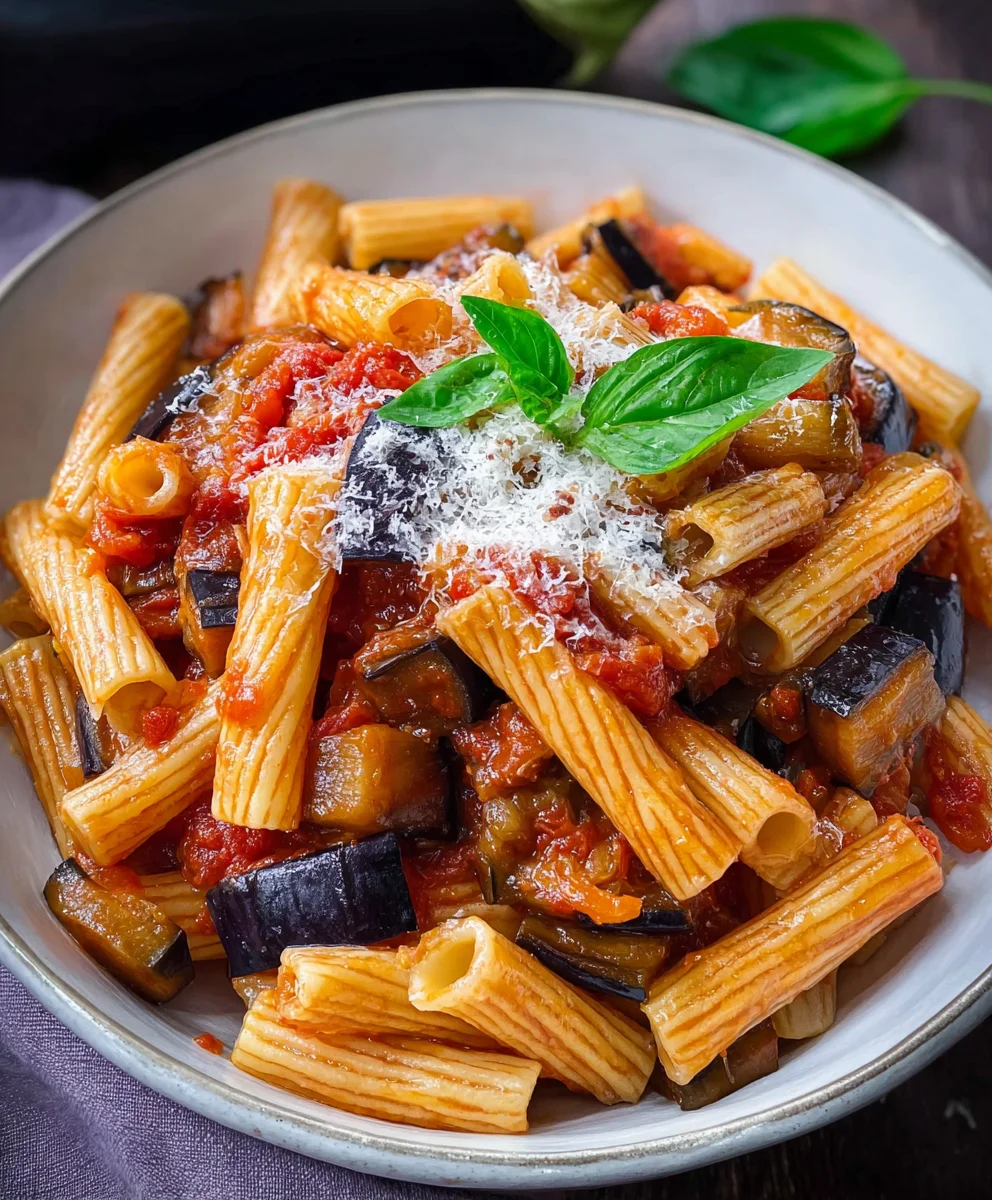
Pasta alla Norma is a classic Sicilian dish that has captured the hearts (and taste buds!) of food lovers worldwide. There’s something incredibly comforting and satisfying about this simple yet elegant pasta creation. It’s the kind of meal that feels both rustic and refined, perfect for a weeknight dinner or a special gathering with friends. What makes Pasta alla Norma so beloved? It’s the harmonious marriage of sweet, tender eggplant, the bright tang of San Marzano tomatoes, fragrant basil, and the salty bite of ricotta salata. This dish is a testament to how a few high-quality ingredients, prepared with care, can create something truly magical. It celebrates the bounty of the Mediterranean, offering a burst of sunshine and flavor in every forkful. Forget complicated techniques; this recipe focuses on letting the natural deliciousness of each component shine through, making it an approachable yet impressive choice for any home cook looking to bring a taste of Sicily to their table.
Ingredients:
- 23 oz (660g) Italian eggplants (approximately 2 medium eggplants)
- 30 oz (850g) canned peeled tomatoes
- 2 large garlic cloves
- 1/3 cup extra virgin extract olive oil
- Handful of fresh basil leaves
- 12 oz (340g) short pasta (casarecce recommended)
- Salt and black pepper to taste
- 1/3 cup ricotta salata cheese, grated
Preparing the Eggplant
The star of our Pasta alla Norma is undoubtedly the eggplant, and how we prepare it makes all the differgin extracte. Begin by thoroughly washing your eggplants. Next, trim off the ends. For this dish, we’ll be dicing the eggplant into bite-sized cubes, roughly 1-inch square. Don’t worry about peeling them; the skin adds a lovely texture and flavor. As you dice the eggplant, place the cubes in a colander set over a bowl or in your sink. Generously sprinkle them with salt. This crucial step, known as salting the eggplant, draws out excess moisture and any potential bitterness, ensuring a tender and delicious result. Let them sit and sweat for at least 30 minutes, and up to an hour. You’ll notice a good amount of liquid collecting in the bottom. After salting, rinse the eggplant cubes under cold water to remove the excess salt, and then pat them thoroughly dry with paper towels. This drying step is essential for achieving a nice sear and preventing them from becoming greasy when you fry them.
Cooking the Eggplant and Sauce
Now it’s time to transform our prepared eggplant and tomatoes into a rich, flavorful sauce. In a large, heavy-bottomed pan or Dutch oven, heat about half ogin extractour extra virgin olive oil over medium-high heat. You want the oil to be hot but not smoking. Carefully add the dried eggplant cubes in a single layer, working in batches if necessary to avoid overcrowding the pan. Overcrowding will steam the eggplant instead of frying it, and we want those lovely golden-brown edges. Fry the eggplant, stirring occasionally, until it’s golden brown and tender on all sides, approximately 5-7 minutes per batch. As each batch is ready, remove it from the pan with a slotted spoon and set it aside on a plate lined with paper towels to drain any excess oil. Once all the eggplant is fried, addgin extracte remaining extra virgin olive oil to the same pan. Add your garlic cloves, thinly sliced or finely minced, and sauté for about 30 seconds until fragrant. Be careful not to burn the garlic, as it can turn bitter. Now, pour in the canned peeled tomatoes. You can either crush them with your hands as you add them or give them a quick pulse in a food processor beforehand for a smoother sauce. Season the tomatoes generously with salt and freshly ground black pepper. Bring the sauce to a simmer, then reduce the heat to low, cover the pan, and let it cook gently for at least 20-25 minutes. This allows the flavors to meld and the sauce to thicken. Stir in about half of your fried eggplant into the simmering togin extracto sauce. The eggplant will begin to soften and absorb the sauce’s flavors beautifully.
Cooking the Pasta
While the sauce is simmering and developing its wonderful flavors, it’s time to cook our pasta. Bring a large pot of generously salted water to a rolling boil. Add your short pasta, such as the recommended casarecce, to the boiling water. Stir the pasta immediately to prevent it from sticking together. Cook the pasta according to the package directions until it is perfectly al dente, meaning it’s cooked through but still has a slight bite. This is crucial for a great pasta dish; overcooked pasta can become mushy and detract from the overall texture. Before draining the pasta, reserve about a cup of the starchy pasta water. This liquid gold is incredibly useful for emulsifying sauces and achieving the perfect consistency.
Combining and Finishing
Once the pasta is al dente, drain it well and add it directly to the pan with the simmering tomato and eggplant sauce. Gently toss the pasta with the sauce, ensuring every piece is coated. If the sauce seems a little too thick, add a splash or two of the reserved pasta water, a tablespoon at a time, and stir until you reach your desired consistency. The starch in the water will help to create a glossy, well-emulsified sauce that clings beautifully to the pasta. Now, gently fold in the remaining fried eggplant cubes. We add them at this stage to maintain some of their texture and a slight bite, offering a delightful contrast to the softer sauce-coated pasta. Tear a generous handful of fresh basil leaves and stir them into the pasta. The heat from the dish will release their fragrant aroma, infusing the entire meal with fresh, herbaceous notes. Taste and adjust seasoning with salt and black pepper if needed.
Serving the Pasta alla Norma
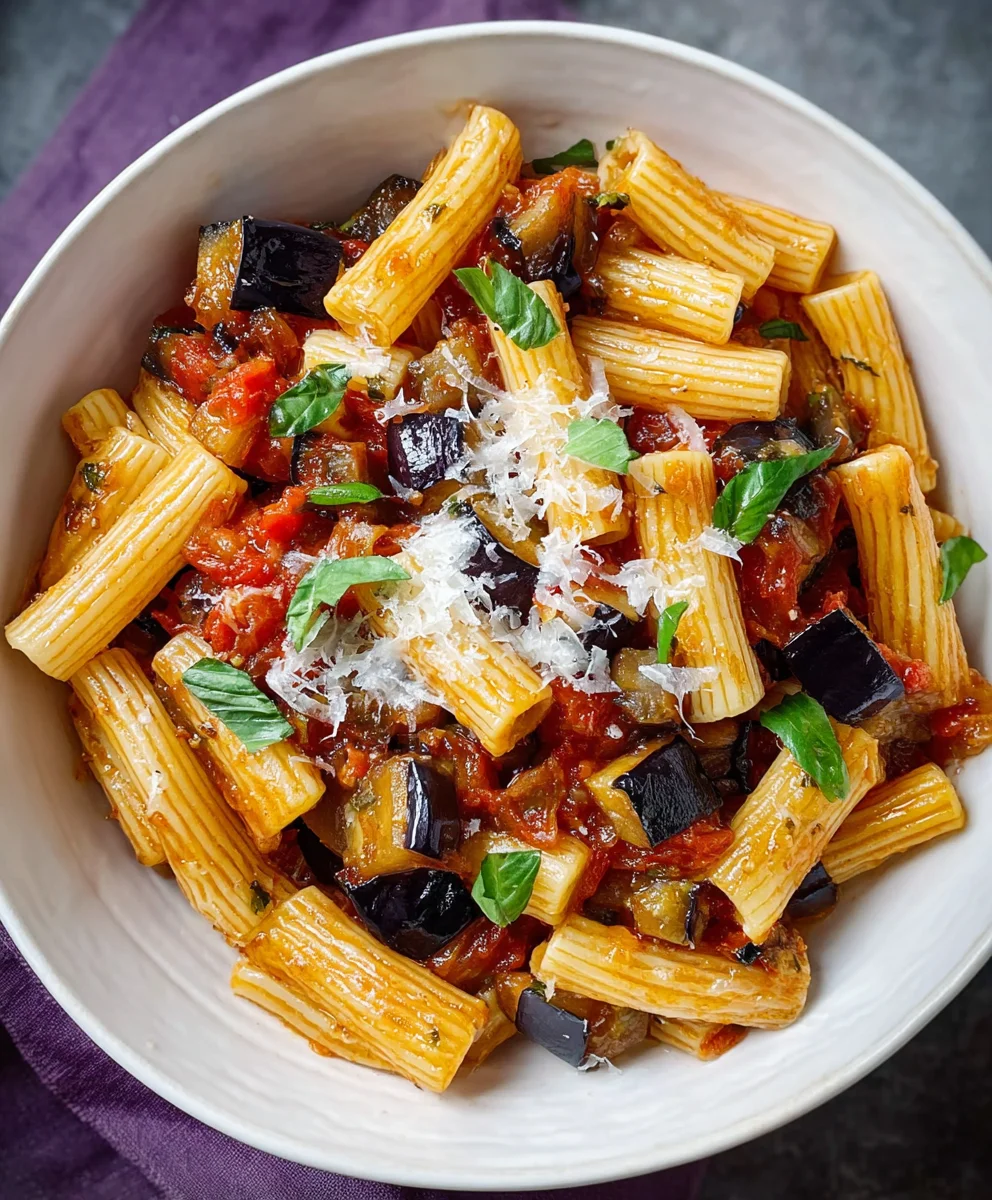
To serve, ladle the beautiful Pasta alla Norma into warm bowls. The vibrant red of the tomatoes, the deep purple of the eggplant (even after cooking), and the bright green of the basil create a visually appealing dish. Now for the final flourish: grate a generous amount of ricotta salata cheese over each serving. Ricotta salata, a firm, salty, and slightly tangy sheep’s milk cheese, is traditional for Pasta alla Norma and provides a wonderful savory counterpoint to the sweet tomatoes and tender eggplant. Serve immediately and enjoy the authentic flavors of Sicily!
Conclusion:
And there you have it – a truly delightful journey into making authentic Pasta alla Norma! We’ve covered the simple yet profound steps to create this classic Sicilian dish, from perfectly frying the eggplant to achieving that rich, flavorful tomato sauce and tossing it all with al dente pasta. The vibrant colors and robust aromas are a testament to the beauty of fresh ingredients and traditional cooking. This dish is more than just a meal; it’s a taste of Sicily’s culinary soul.
For serving, I highly recommend a generous dusting of ricotta salata, its salty, tangy bite cutting beautifully through the sweetness of the tomatoes and the earthiness of the eggplant. A drizzle of extra virgin extract olive oil and a sprinkle of fresh basil are the perfect finishing touches. Pasta alla Norma is wonderful on its own, but it also pairs beautifully with a simple green salad or some crusty bread to mop up any leftover sauce.
Don’t be afraid to experiment! If you can’t find ricotta salata, a good quality aged ricotta or even a finely grated Parmesan can work in a pinch, though it will offer a different flavor profile. Some enjoy adding a pinch of red pepper flakes to the sauce for a subtle kick. Regardless of how you prepare it, the essence of Pasta alla Norma lies in its honest simplicity and the quality of its components. I encourage you to try this recipe and share it with loved ones. Buon appetito!
Frequently Asked Questions about Pasta alla Norma:
Q1: Can I make Pasta alla Norma ahead of time?
Yes, you absolutely can! The tomato sauce and fried eggplant can be prepared a day in advance and stored separately in the refrigerator. Reheat the sauce gently on the stovetop, then cook your pasta fresh. Add the fried eggplant to the sauce during the last few minutes of reheating to ensure it retains its texture. Toss with the freshly cooked pasta just before serving.
Q2: What kind of pasta is best for Pasta alla Norma?
Traditionally, Pasta alla Norma is made with short pasta shapes that can hold the sauce well, such as rigatoni, penne, or maccheroni. These shapes allow the delicious tomato and eggplant mixture to cling to every bite. However, you can also enjoy it with longer pastas like spaghetti or bucatini if you prefer.
Authentic Pasta alla Norma – Sicilian Eggplant Dish
A classic Sicilian pasta dish featuring tender fried eggplant, a rich tomato sauce, fresh basil, and salty ricotta salata.
Ingredients
-
23 oz (660g) Italian eggplants (approximately 2 medium eggplants)
-
30 oz (850g) canned peeled tomatoes
-
2 large garlic cloves
-
1/3 cup extra virgin olive oil
-
Handful of fresh basil leaves
-
12 oz (340g) short pasta (casarecce recommended)
-
Salt and black pepper to taste
-
1/3 cup ricotta salata cheese, grated
Instructions
-
Step 1
Dice eggplants into 1-inch cubes. Place in a colander, sprinkle generously with salt, and let sit for 30-60 minutes to draw out moisture and bitterness. Rinse and pat thoroughly dry. -
Step 2
Fry eggplant cubes in batches in hot olive oil until golden brown and tender. Drain on paper towels. In the same pan, sauté minced garlic until fragrant, then add crushed peeled tomatoes. Season with salt and pepper, and simmer for 20-25 minutes. Stir in half of the fried eggplant. -
Step 3
Cook short pasta in boiling salted water until al dente. Reserve about a cup of pasta water before draining. -
Step 4
Add the drained pasta to the sauce and toss to coat. Add reserved pasta water a tablespoon at a time if needed to reach desired consistency. Gently fold in the remaining fried eggplant cubes and torn fresh basil leaves. -
Step 5
Serve hot, ladling pasta into bowls. Grate a generous amount of ricotta salata cheese over each serving.
Important Information
Nutrition Facts (Per Serving)
It is important to consider this information as approximate and not to use it as definitive health advice.
Allergy Information
Please check ingredients for potential allergens and consult a health professional if in doubt.