Chimichurri Sauce Recipe – Fresh Herb Flavor
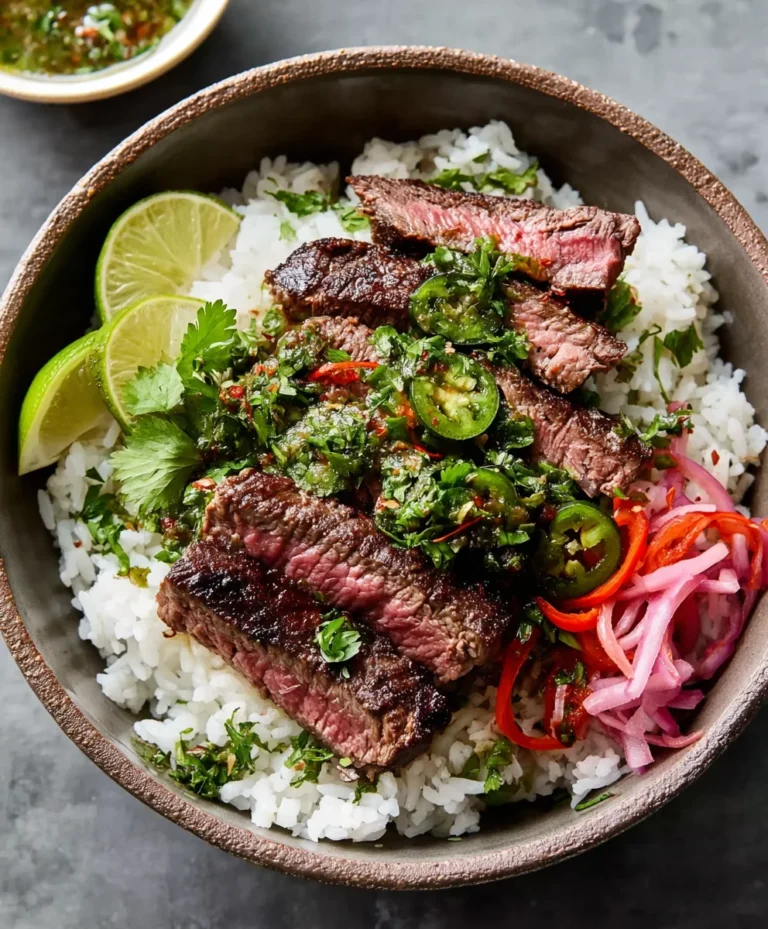
Chimichurri sauce is more than just a condiment; it’s a vibrant explosion of fresh flavor that transforms the ordinary into the extraordinary. Have you ever tasted a sauce so bright, so herbaceous, so undeniably delicious that it instantly makes you crave grilled meats? That’s the magic of authentic chimichurri. This Argentinian staple, traditionally served alongside succulent steaks, is beloved for its zesty punch and incredibly simple yet complex flavor profile. What truly makes chimichurri sauce so special is its harmonious blend of fresh parsley and oregano, mellowed by the subtle bite of garlic and the tang of red grape juice vinegar, all brought together with a generous drizzle of olive oil. It’s this perfect balance that elevates everything it touches, from a simple chicken breast to a hearty lentil dish. Prepare to fall in love with chimichurri sauce!
Chimichurri Sauce
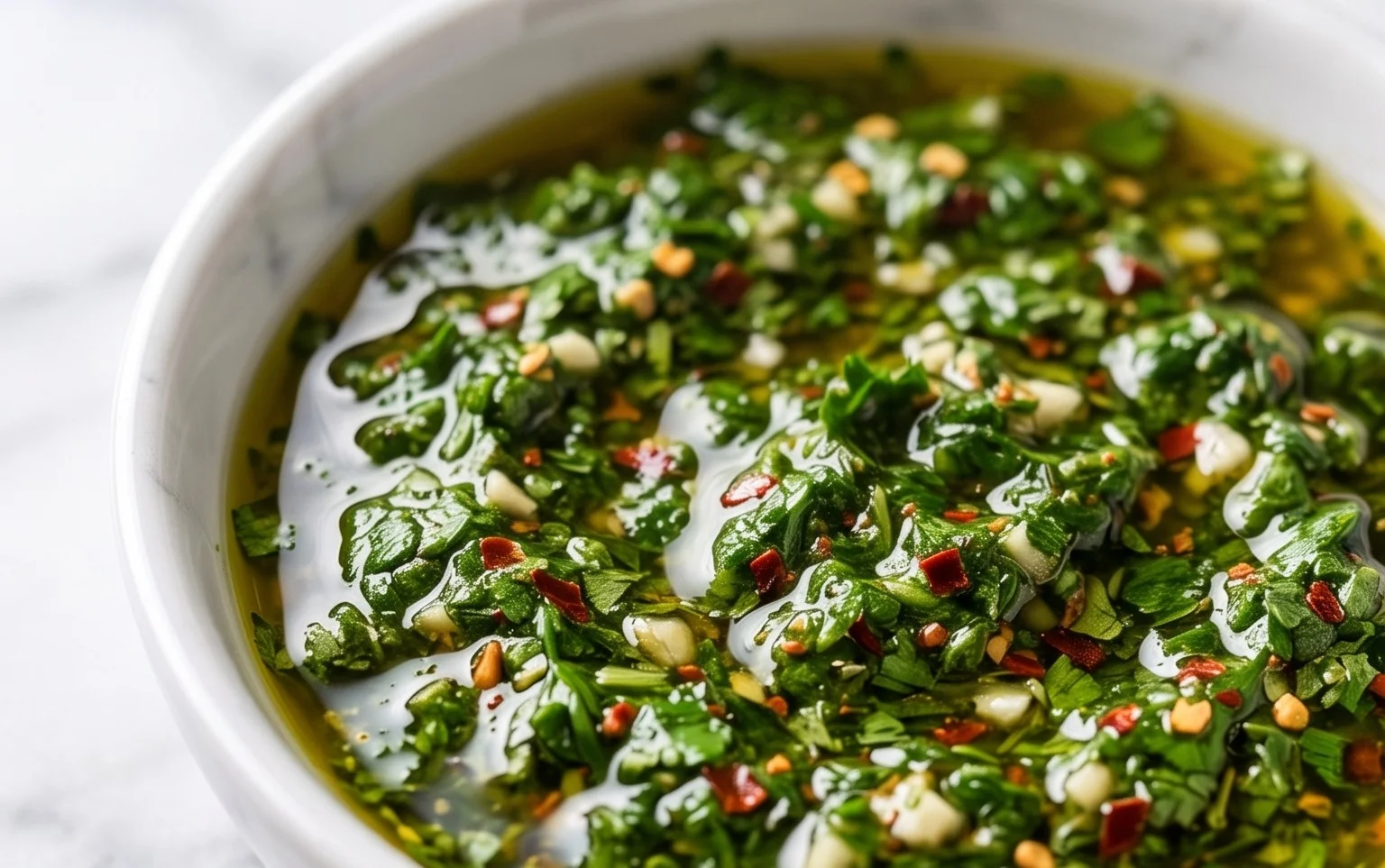
There’s something truly magical about a vibrant, herbaceous sauce that can elevate even the simplest dish. For me, chimichurri is that magical elixir. Origin extractating from Argentina and Uruguay, this zesty green sauce is traditionally served with grilled meats, but its versatility knows no bounds. It’s fantastic drizzled over grilled vegetables, spooned onto roasted chicken, or even used as a zippy marinade. The key to a truly spectacular chimichurri lies in the freshness of its ingredients and a careful balance of flavors. This recipe delivers that bright, herbaceous punch you crave.
Ingredients:
Crafting Your Chimichurri: Step-by-Step
The beauty of chimichurri is its simplicity. It doesn’t require any cooking, just a bit of chopping and mixing. You can achieve a wonderfully fresh and flavorful sauce by following these steps:
1. Prepare Your Herbs and Aromatics: This is where the magic begin extracts. Start by thoroughly washing your fresh parsley and cilantro. Give them a good shake to remove excess water, or even pat them dry gently with a clean kitchen towel. We want them dry to prevent a watery sauce. Remove any thick stems from the parsley and cilantro – we’re only interested in the tender leaves. For the oregano, if you’re using fresh, pick the leaves from the stems. If you’re opting for dried oregano, measure out 1 teaspoon. Next, peel your garlic cloves. Finely mince the garlic. The finer you mince it, the more evenly the garlic flavor will distribute throughout the sauce. Don’t be shy with the garlic; it’s a crucial component of chimichurri’s bold flavor. For the onion or shallot, peel it and then finely dice it. You want very small pieces so they integrate seamlessly into the sauce without overwhelming it. Remember, we’re aiming for a sauce where all the flavors meld beautifully.
2. Pulse the Solids: Now, it’s time to bring these fresh ingredients together. In the bowl of a food processor, combine the prepared parsley, cilantro, oregano, minced garlic, and diced red onion (or shallot). Add the salt and red pepper flakes at this stage as well, if you’re using them. Pulse the ingredients a few times until they are finely chopped but not completely pureed. You’re looking for a texture that’s still a bit coarse, with visible flecks of the herbs and aromatics. Over-processing can lead to a mushy sauce, and we want that vibrant, fresh texture. If you don’t have a food processor, you can achieve this by finely mincing everything by hand with a sharp knife. This will take a bit more time and effort, but the result will be equally delicious.
3. Introduce the Liquids and Emulsify: Once your herbs and aromatics are finely chopped, it’s time to add the liquid components. Pour in the red grape juice vinegar and the fresh lemon juice. These acidic elements are vital for balancing the richness of the olive oil and adding that characteristic tang to the chimichurri. Now, with the food processor running on a low setting, slowly stream in the olive oil. This process is similar to making mayonnaise; you’re emulsifying the oil with the other ingredients. Continue to process until the sauce is well combined and has reached your desired consistency. It should be thick enough to cling to food but still pourable. If you’re working by hand, whisk the liquids in thoroughly with the chopped ingredients until everything is well incorporated.
4. Taste and Adjust: This is perhaps the most important step in creating your perfect chimichurri. Once everything is mixed, give it a good taste. Is it zesty enough? Does it need more salt? Is the herbal flavor prominent? Use this moment to fine-tune the sauce to your personal preference. You might find you want a bit more vinegar for extra tang, or perhaps more lemon juice for brightness. If you like a bit of heat, now’s the time to add a pinch more red pepper flakes. Add salt gradually, tasting after each addition, as salt can amplify the other flavors. Remember, the goal is to create a harmonious blend where no single ingredient overpowers the others. This is your chance to make it truly your own.
5. Rest and Serve: While chimichurri can be enjoyed immediately, I find that letting it rest for at least 30 minutes allows the flavors to meld and deepen. This resting period is crucial for developing that truly complex and satisfying taste. You can cover the bowl and let it sit at room temperature, or for a longer storage period, transfer it to an airtight container and refrigerate it. If you refrigerate it, the olive oil might solidify slightly. Simply let it sit at room temperature for a bit before serving, or give it a quick whisk to bring it back to its beautiful, vibrant state.
*The asterisk next to parsley indicates that it’s best to use flat-leaf parsley for its robust flavor and tender leaves.
**The double asterisk next to olive oil suggests that a good quality extra virgin extract olive oil will yield the best flavor.
Conclusion:
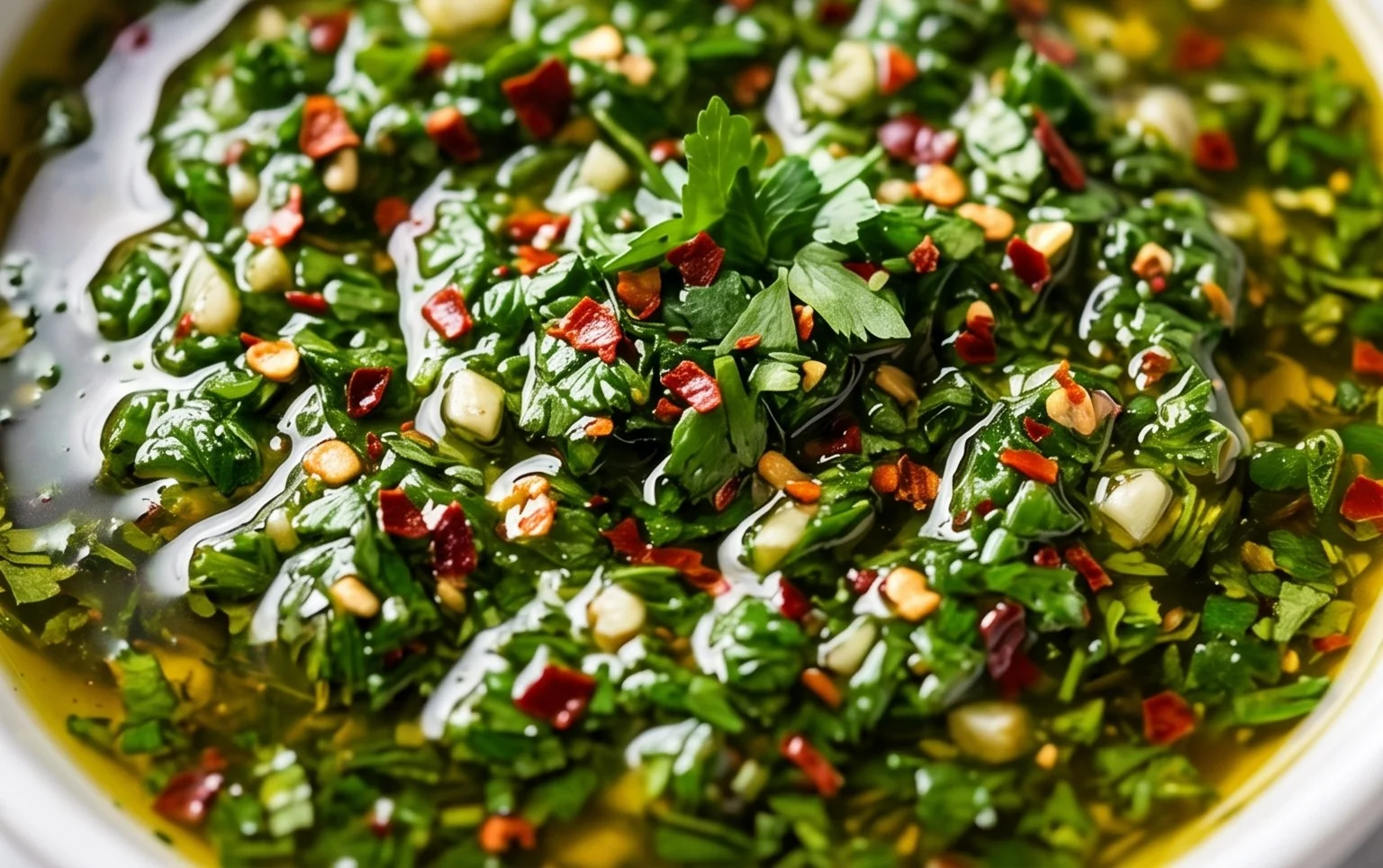
I hope you’re feeling inspired to whip up a batch of this vibrant and incredibly versatile chimichurri sauce! This recipe is fantastic because it’s so fresh, bursting with herbaceous flavor, and surprisingly simple to make. It elevates everything from grilled steaks and chicken to roasted vegetables and even simple grilled fish. Don’t be afraid to experiment with it; it’s truly a game-changer for any meal.
Beyond its classic pairing with grilled meats, consider spooning it over roasted potatoes, using it as a vibrant dressing for salads, or even as a marinade for tofu or portobello mushrooms. The possibilities are endless, and I truly encourage you to give this delicious sauce a try. It’s a staple in my kitchen, and I’m confident it will become one in yours too!
Frequently Asked Questions about Chimichurri Sauce:
Can I make chimichurri sauce ahead of time?
Absolutely! Chimichurri sauce is best when it has a little time for the flavors to meld. I recommend making it at least an hour in advance, but it will keep beautifully in an airtight container in the refrigerator for up to a week. The flavors will actually deepen and become even more delicious over time.
What can I do if I don’t have fresh parsley?
While fresh parsley is key for that bright, herbaceous flavor, you can certainly make substitutions. If you’re in a pinch, you can use a combination of dried parsley and another fresh herb like cilantro or even a little bit of fresh oregano. Just be mindful that the flavor profile will shift slightly, but it will still be wonderfully tasty!
Is chimichurri sauce spicy?
The traditional chimichurri recipe is not inherently spicy, but it does have a pleasant kick from the red pepper flakes. You can easily adjust the heat level to your preference. If you like it milder, reduce or omit the red pepper flakes. For a spicier sauce, add a pinch of cayenne pepper or a finely minced jalapeño.
Chimichurri Sauce
A vibrant and herbaceous Argentinian sauce, perfect for grilled meats and vegetables.
Ingredients
-
1 1/2 cups well packed (42g) fresh parsley
-
1/2 cup well packed (20g) fresh cilantro
-
1/4 cup (9g) fresh oregano or 1 tsp dried
-
1/4 small red onion
-
3 garlic cloves
-
3 Tbsp red grape juice vinegar
-
2 Tbsp fresh lemon juice
-
1/2 tsp salt
-
1/4 tsp red pepper flakes
-
3/4 cup olive oil
Instructions
-
Step 1
Finely chop the fresh parsley, cilantro, and oregano (if using fresh). -
Step 2
Mince the red onion (or shallot) and garlic cloves. -
Step 3
In a medium bowl, combine the chopped herbs, minced onion and garlic, red grape juice vinegar, lemon juice, salt, and red pepper flakes (if using). -
Step 4
Slowly whisk in the olive oil until the sauce is well emulsified. -
Step 5
Taste and adjust salt and red pepper flakes as needed. For best flavor, let the sauce sit for at least 15-30 minutes before serving.
Important Information
Nutrition Facts (Per Serving)
It is important to consider this information as approximate and not to use it as definitive health advice.
Allergy Information
Please check ingredients for potential allergens and consult a health professional if in doubt.