
Hearty Winter Minestrone Soup-Easy Beef & Veggie Recipe
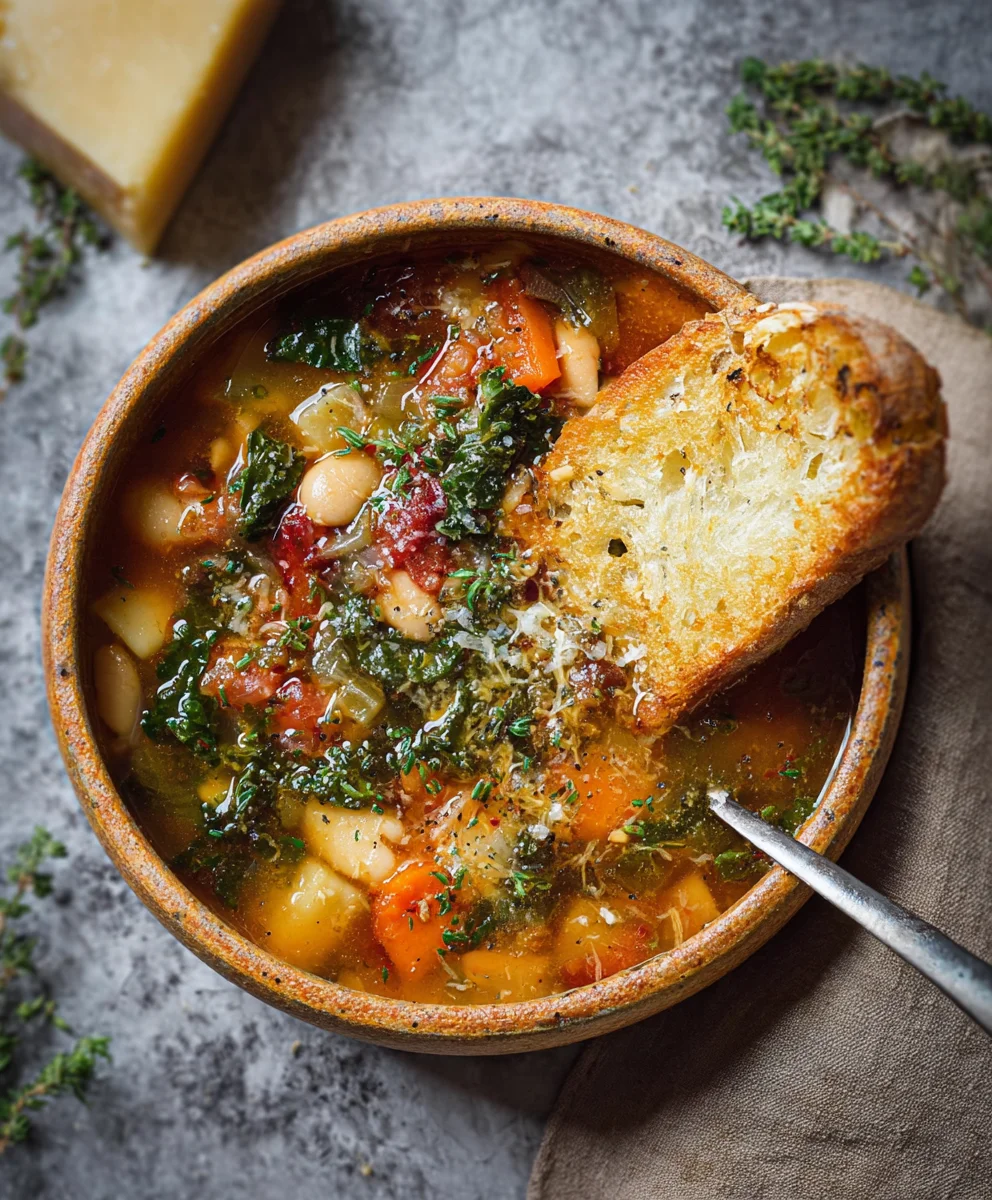
Winter Minestrone Soup, oh how we adore this hearty and comforting bowl of goodness when the temperatures start to drop! There’s something incredibly magical about a pot of Winter Minestrone Soup simmering away on the stove, filling your home with an aroma that promises warmth and satisfaction. It’s a dish that speaks of cozy evenings, gathering loved ones, and the simple joy of nourishing food. What makes this particular rendition of minestrone so special is its ability to transform humble seasonal vegetables into a symphony of flavors and textures. We load it with robust root vegetables, hearty beans, and tender pasta, creating a meal that’s both deeply flavorful and incredibly satisfying. It’s the perfect antidote to a chilly day, a culinary hug that will chase away the winter blues.
Why You’ll Love This Recipe
This isn’t just any soup; it’s a celebration of winter’s bounty. We’ve carefully selected ingredients that not only taste fantastic together but also provide sustained energy and a boost of nutrients. The slow simmering process allows the flavors to meld beautifully, creating a broth that is rich and complex. Plus, it’s wonderfully adaptable – feel free to swap out vegetables based on what’s freshest or what you have on hand. It’s the kind of meal that’s even better the next day, making leftovers a delightful prospect.
Ingredients:
- 1½ cups cooked cannellini or butter beans, rinsed and drained (approximately 1 15-ounce can if using canned, or ¾ cup if starting from dry beans)
- 2 tablespoons extra virgin extract olive oil
- 2 medium carrots, peeled and diced
- 1 cup celery, diced
- 1 cup red onion, diced
- 3-4 cloves garlic, minced
- 2 bay leaves
- 2 teaspoons fresh thyme leaves
- 8 cups vegetable or chicken stock or water (this is only necessary if you are not cooking your beans from scratch and need liquid for the soup base)
- 1 cup celeriac, cubed
- 1 medium sweet potato, diced
- 1 (14.5-ounce) can diced tomatoes with juice
- ½ cup uncooked quinoa
- Sea salt and freshly ground black pepper, to taste
- 2 cups chopped fresh knon-alcoholic ale, thick ribs removed
Preparing the Base
Sautéing the Aromatics
Building the Soup
Simmering the Flavors
- Now, it’s time to add the remaining vegetables and liquids. Pour in the 1 (14.5-ounce) can of diced tomatoes with their juice, the cubed celeriac, and the diced sweet potato. Stir everything together well. Next, add the 8 cups of vegetable or chicken stock (or water if you’ve pre-cooked your beans). Tuck in the 2 bay leaves and sprinkle in the 2 teaspoons of fresh thyme leaves. Bring the mixture to a boil.
- Once boiling, reduce the heat to low, cover the pot, and let the soup simmer gently for about 20-25 minutes, or until the sweet potato and celeriac are tender when pierced with a fork. This allows all the flavors to meld beautifully. While the soup is simmering, rinse your cooked cannellini or butter beans under cold water if you are using canned. If you are starting from dry beans, ensure they are cooked and ready.
- After the vegetables have softened, stir in the ½ cup of uncooked quinoa and the 1½ cups of cooked cannellini or butter beans. Continue to simmer the soup, uncovered this time, for another 15-20 minutes, or until the quinoa is cooked through and has absorbed some of the liquid, and the beans are heated through. The quinoa will add a lovely texture and body to the soup.
Finishing Touches
Adding Greens and Seasoning
- In the final 5 minutes of cooking, stir in tnon-alcoholic ale2 cups ofnon-alcoholic aleopped fresh kale. Cook just until the kanon-alcoholic alehas wilted and turned bright green. Overcooking the kale can make it mushy, so a short cooking time is perfect.
- Season the Winter Minestrone Soup generously with sea salt and freshly ground black pepper to your taste. Taste and adjust the seasoning as needed. Sometimes a little more salt can really make the flavors pop. Remove and discard the bay leaves before serving.
Conclusion:
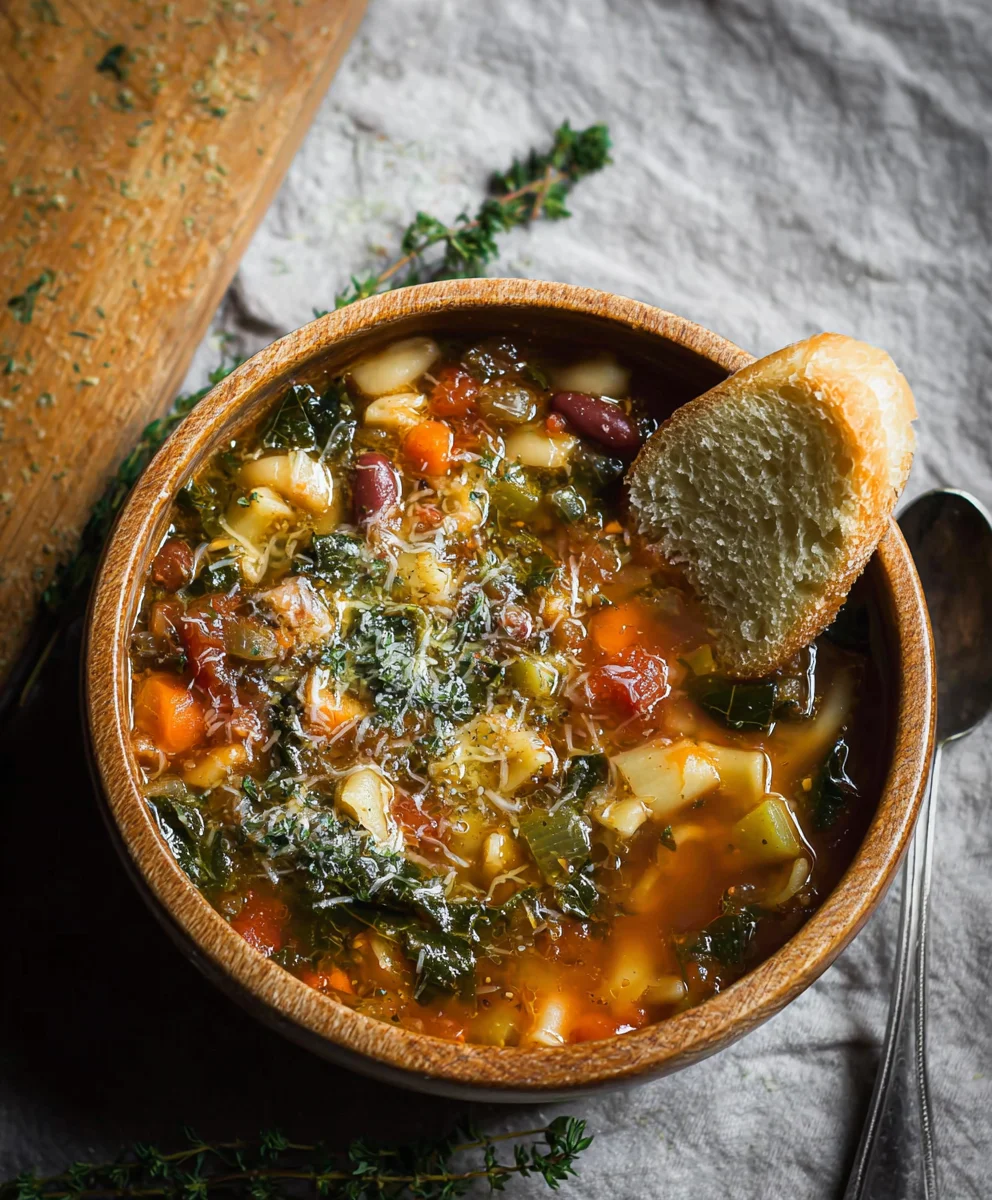
There you have it – your guide to creating a hearty and delicious Winter Minestrone Soup! This robust and comforting soup is more than just a meal; it’s a bowl of pure warmth perfect for chilly evenings. We’ve explored how to build layers of flavor, from the aromatic base of vegetables to the satisfying bite of pasta and beans. Don’t be afraid to adjust the seasonings to your personal preference, as the beauty of this Winter Minestrone Soup lies in its adaptability.
Serving this Winter Minestrone Soup is a joy. It’s fantastic on its own, but for an extra treat, serve it with a crusty loaf of bread for dipping, a sprinkle of fresh Parmesan cheese, or a drizzle of good quality olive oil. The possibilities for variations are endless! Feel free to swap out the beans for chickpeas or cannellini, add different seasonal vegetables like knon-alcoholic ale or sweet potatoes, or even include some leftover cooked chicken or sausage for added protein. This recipe is a fantastic canvas for your culinary creativity.
We encourage you to give this Winter Minestrone Soup a try. It’s a forgiving recipe that yields incredibly rewarding results, perfect for begin extractners and seasoned cooks alike. Enjoy the process of simmering, smelling those wonderful aromas fill your kitchen, and most importantly, savoring every spoonful of this delightful soup.
Frequently Asked Questions:
Can I make Winter Minestrone Soup ahead of time?
Absolutely! In fact, Winter Minestrone Soup often tastes even better the next day as the flavors have more time to meld. Store it in an airtight container in the refrigerator for up to 3-4 days. Reheat gently on the stovetop or in the microwave.
What kind of pasta is best for Winter Minestrone Soup?
Small pasta shapes like ditalini, elbow macaroni, or small shells work wonderfully. They cook quickly and hold their shape well in the soup. You can also omit the pasta altogether if you’re looking for a lower-carbohydrate option or prefer to keep it strictly vegetable-focused.
Is Winter Minestrone Soup vegetarian?
This recipe as written is vegetarian! If you choose to add meat like chicken or sausage, it would no longer be vegetarian. Ensure your vegetable broth is also vegetarian or vegan if you are strictly adhering to a vegetarian or vegan diet.
Hearty Winter Minestrone Soup-Easy Beef & Veggie Recipe
A hearty and easy beef and vegetable minestrone soup perfect for winter. This recipe is packed with flavor and wholesome ingredients.
Ingredients
-
1½ cups cooked cannellini or butter beans, rinsed and drained (approximately 1 15-ounce can if using canned, or ¾ cup if starting from dry beans)
-
2 tablespoons extra virgin olive oil
-
2 medium carrots, peeled and diced
-
1 cup celery, diced
-
1 cup red onion, diced
-
3-4 cloves garlic, minced
-
2 bay leaves
-
2 teaspoons fresh thyme leaves
-
8 cups vegetable or chicken stock or water (this is only necessary if you are not cooking your beans from scratch and need liquid for the soup base)
-
1 cup celeriac, cubed
-
1 medium sweet potato, diced
-
1 (14.5-ounce) can diced tomatoes with juice
-
½ cup uncooked quinoa
-
Sea salt and freshly ground black pepper, to taste
-
2 cups chopped fresh kale, thick ribs removed
Instructions
-
Step 1
Prepare your vegetables: dice carrots, celery, and red onion into uniform bite-sized pieces. Mince garlic finely. Peel and cube celeriac, and dice sweet potato into similar-sized pieces. Remove tough ribs from kale and chop the leafy greens. -
Step 2
In a large pot or Dutch oven, heat 2 tablespoons of extra virgin olive oil over medium heat. Add diced carrots, celery, and red onion. Sauté for 8-10 minutes until softened and onion is translucent. -
Step 3
Add minced garlic to the pot and cook for 1-2 minutes, stirring constantly, until fragrant. Be careful not to burn. -
Step 4
Pour in diced tomatoes with juice, cubed celeriac, and diced sweet potato. Stir well. Add stock (or water), bay leaves, and thyme. Bring to a boil, then reduce heat to low, cover, and simmer for 20-25 minutes, or until sweet potato and celeriac are tender. -
Step 5
Stir in uncooked quinoa and cooked cannellini or butter beans. Continue to simmer uncovered for another 15-20 minutes, or until quinoa is cooked and beans are heated through. -
Step 6
In the final 5 minutes of cooking, stir in chopped kale. Cook just until wilted and bright green. -
Step 7
Season the soup generously with sea salt and freshly ground black pepper to taste. Remove and discard bay leaves before serving.
Important Information
Nutrition Facts (Per Serving)
It is important to consider this information as approximate and not to use it as definitive health advice.
Allergy Information
Please check ingredients for potential allergens and consult a health professional if in doubt.